Engineered for heavy-duty industrial transport and off-road operating parameters within the Casamance logistics hub.
In the southern regional commerce hub of Ziguinchor, Senegal, transit networks constitute the lifeblood of agricultural, marine, and mineral commerce. As the primary economic engine of the Casamance region, Ziguinchor connects essential trade routes traversing Guinea-Bissau, the Gambia, and the central shipping lanes leading to Dakar. The local highway infrastructure, centered around the vital RN6 corridor, subjects commercial transit fleets, agricultural haulers, and public transport systems to demanding operational conditions.
Tropical climates characterized by pronounced seasonal temperature fluctuations, high humidity indexes, and unpaved roadway segments subject commercial tires to severe thermal expansion and rapid structural degradation. Under-inflation or over-inflation in heavy-duty logistics vehicles transporting high-volume agricultural commodities—such as cashews, mangoes, and seafood exports—directly results in accelerated sidewall fatigue, catastrophic tire blowouts, and unsustainable operating costs. According to regional transit statistics, over 38% of roadside mechanical failures on regional corridors are due to tire structural issues originating from improper pressure maintenance. Deploying calibrated, industrial-grade tire pressure measurement instrumentation is not merely a safety recommendation; it is an economic imperative to prevent transport delays, minimize fuel consumption, and maximize tire tread life.
Selecting tire inflation systems for transit depots, agricultural cooperatives, and municipal fleet operators in Ziguinchor requires a deep understanding of metrological technologies. Our R&D facility manufactures both analog Bourdon-tube models and advanced piezo-resistive digital instruments, engineered for specific operational scenarios.
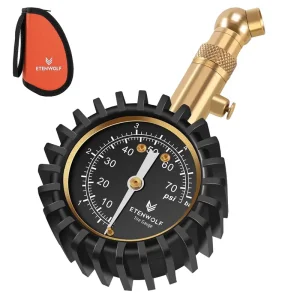
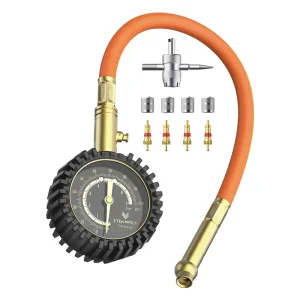
Our G200 and G200 Pro series leverage high-grade copper-alloy Bourdon tubes coupled with robust brass gear movements. These components function reliably without internal batteries, making them highly suited for remote Casamance operations where logistics depots might lack access to replacement electronic cells. They deliver accurate pressure readings irrespective of extreme environmental temperatures.
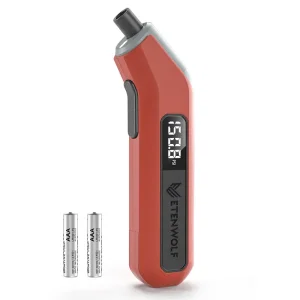
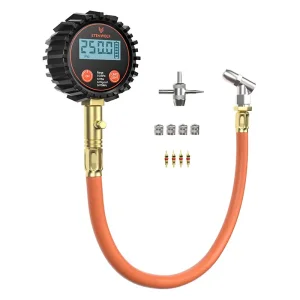
The T300 and T400 series use micro-machined silicon sensors. These sensors translate gas pressure into precise digital readouts via high-resolution analog-to-digital converters (ADCs), correcting for ambient temperature shifts. They maintain ANSI/ASME B40.7 Grade A accuracy limits (±1%), serving as the primary calibrating standard for mechanical systems across regional transport networks.
In the current volatile global supply chain landscape, procurement directors face challenges with geopolitical trade constraints, varying import tariffs, and regional manufacturing delays. To insulate our partners from these vulnerabilities, we maintain dual-source manufacturing operations in Shenzhen, China and Vietnam.
This operational redundancy allows us to optimize export routing based on localized logistics tariffs, customs agreements, and freight costs. For West African and UEMOA-based enterprises, our dual infrastructure ensures raw material supply security, rapid prototype-to-production turnaround times, and flexible shipping strategies. We can route distribution through direct shipping channels to Dakar or regional ports, maintaining short delivery schedules and reducing supply line risks.
Mozhen Technology: Operating advanced facilities and running rigorous compliance testing programs.
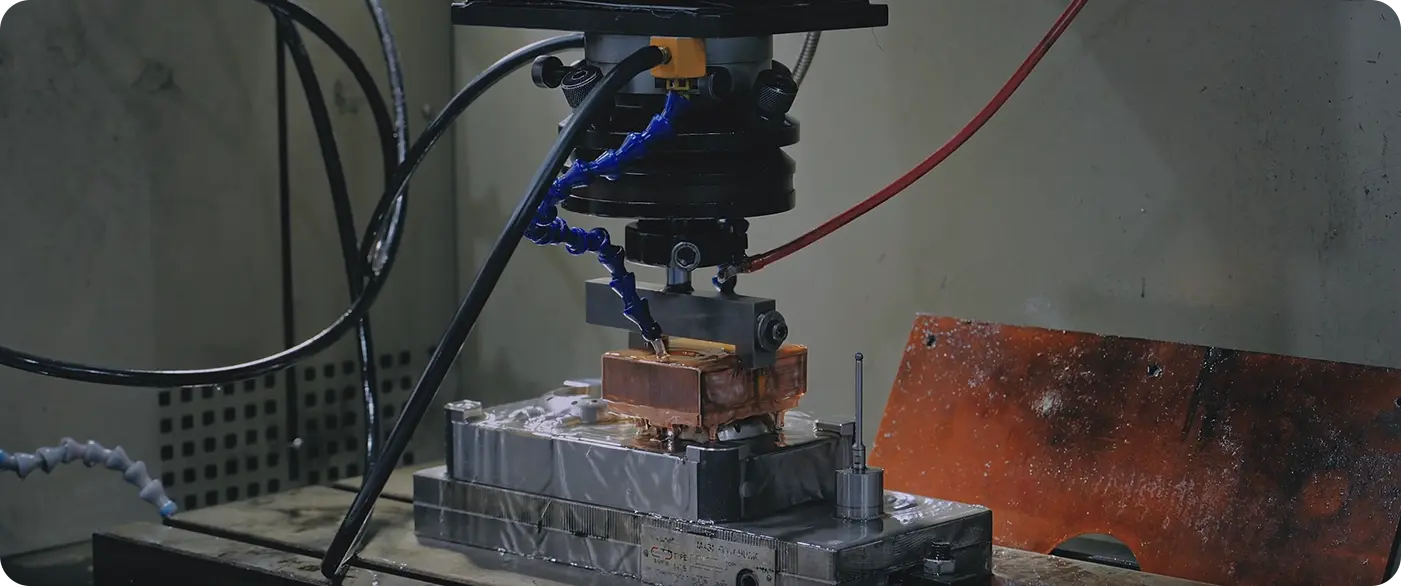
Professional inflation equipment designed for commercial transport and distribution systems in Ziguinchor.
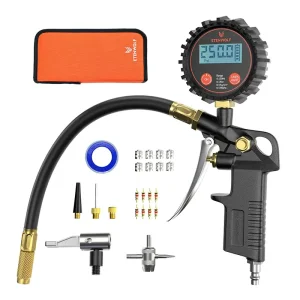
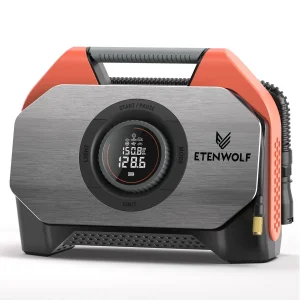
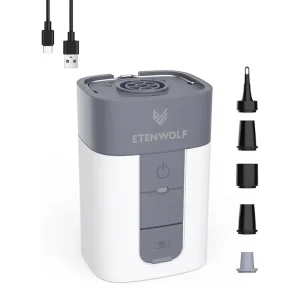
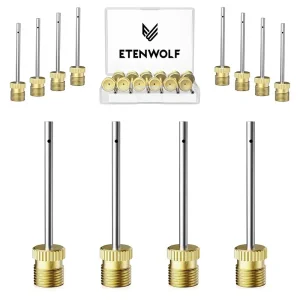
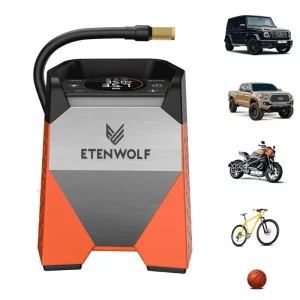
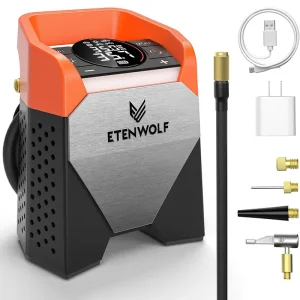
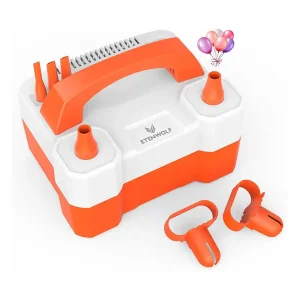
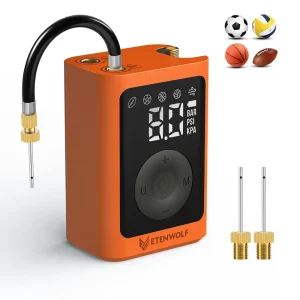
Maintaining the integrity of the supply line with specialized instruments for agricultural and light industrial applications.

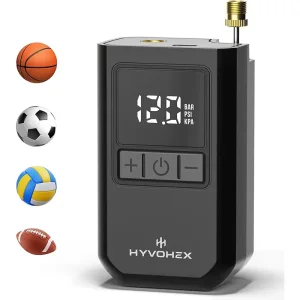
For fleet managers operating in West African hubs, managing overhead expenditures requires constant optimization. Unplanned down-time due to tire blowouts can sever regional transport networks, resulting in compromised cargo delivery schedules and direct operational losses.
Using accurate measurement instruments helps fleet managers prevent these issues. Maintaining optimal pressure levels directly increases tire life by up to 20% and improves fuel economy by 3.3% on commercial haulage assets. Over a medium-sized logistics operation running 50 distribution trucks, the annual return on investment (ROI) from deploying calibrated instrumentation easily covers the initial cost of procurement, yielding significant savings in fuel and replacement tires.
Fleet operators implement scheduled, daily tire pressure audits before vehicle deployment, using verified analog gauges such as the G200 Pro.
Accounting for midday temperatures of up to 45°C in the Casamance region, technicians calibrate pressure settings to prevent high-speed thermal blowouts.
Deploying tools directly from our China and Vietnam manufacturing hubs avoids production disruptions and mitigates supply chain risks.
As industrial demands transition toward digital integrations, our design team is engineering next-generation, smart tire-management solutions. Our product roadmap outlines plans for integrated pressure sensors featuring Bluetooth Low Energy (BLE) transmitters. These tools will broadcast real-time metrics to localized fleet management software, enabling remote tracking and predictive alerts for pressure drops.
These advances help regional logistics operations shift from reactive maintenance to predictive safety protocols. Managers can monitor tires across long routes, preventing failures before they cause delays on remote corridors.
Mozhen Technology operates an industrial park spanning over 1.9 million square feet (180,000 square meters) in Shenzhen, complemented by a 60,000-square-meter facility in Vietnam. Equipped with over 200 high-capacity injection molding machines and 17 automated surface-mount technology (SMT) assembly lines, our manufacturing footprint supports substantial production capacity and consistent product quality.

Our quality management systems meet global standards, ensuring reliable performance in demanding operating environments.

Recognized for outstanding industrial design, balancing robust construction with ergonomic usability.

We work closely with global brands, including Shell, Hyundai, and leading automotive OEMs.
Our products comply with critical international testing and safety standards. In addition to ISO 9001 and ISO 14001 certifications, our facilities undergo regular SMETA audits to verify ethical labor practices, safe working conditions, and environmental compliance. Our electrical components carry UL and ETL safety marks, meeting strict import criteria for North American and European markets.
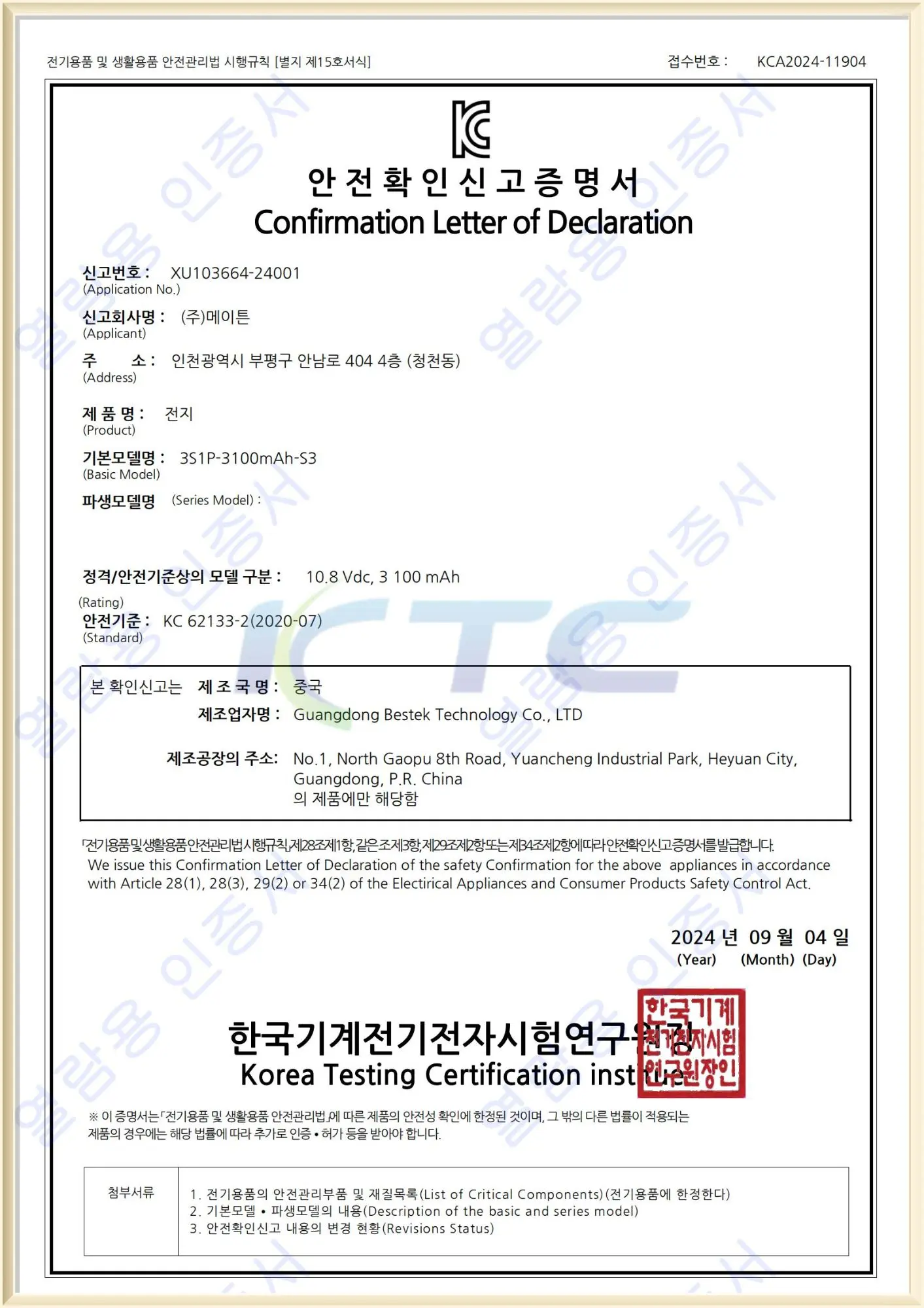
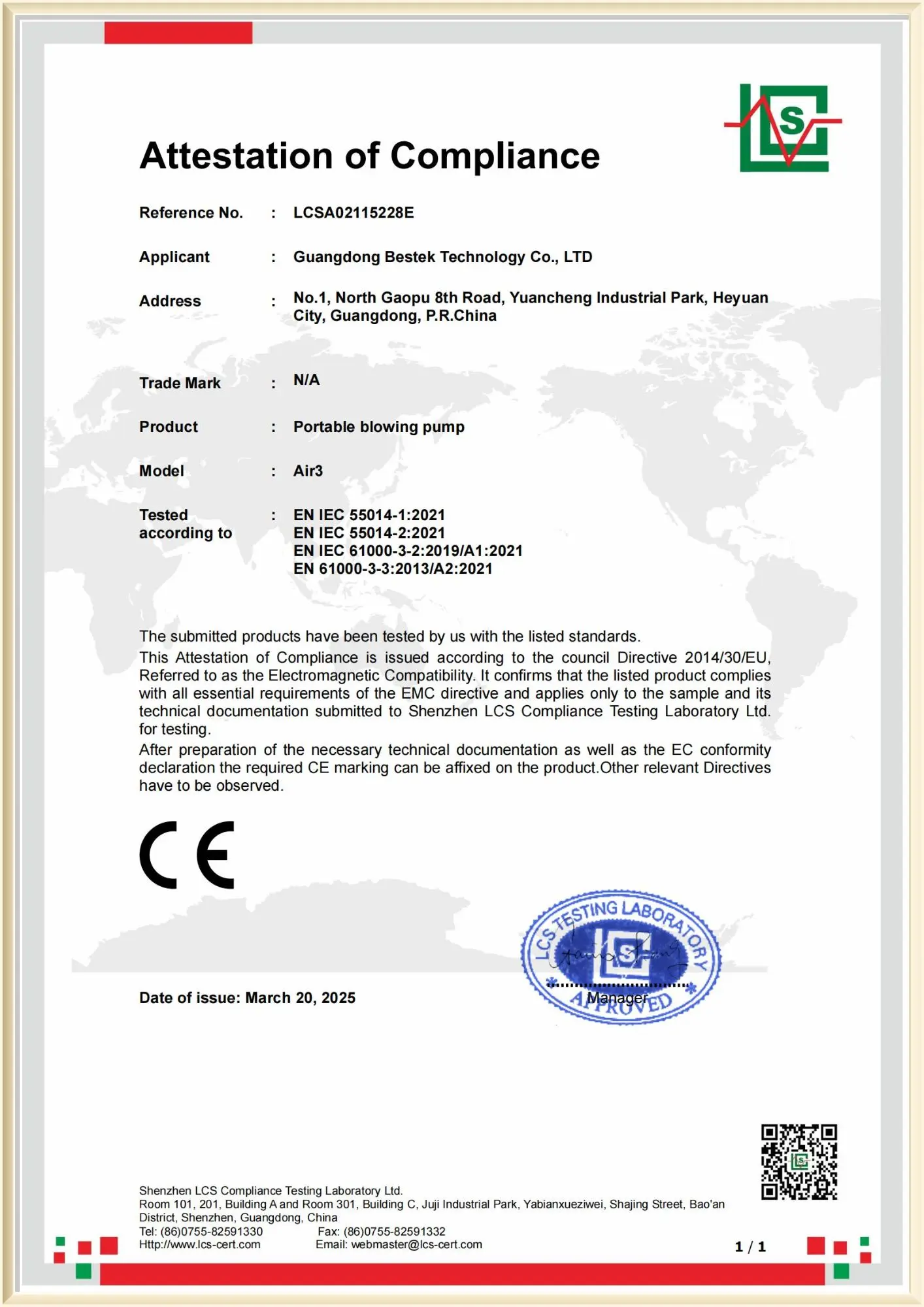
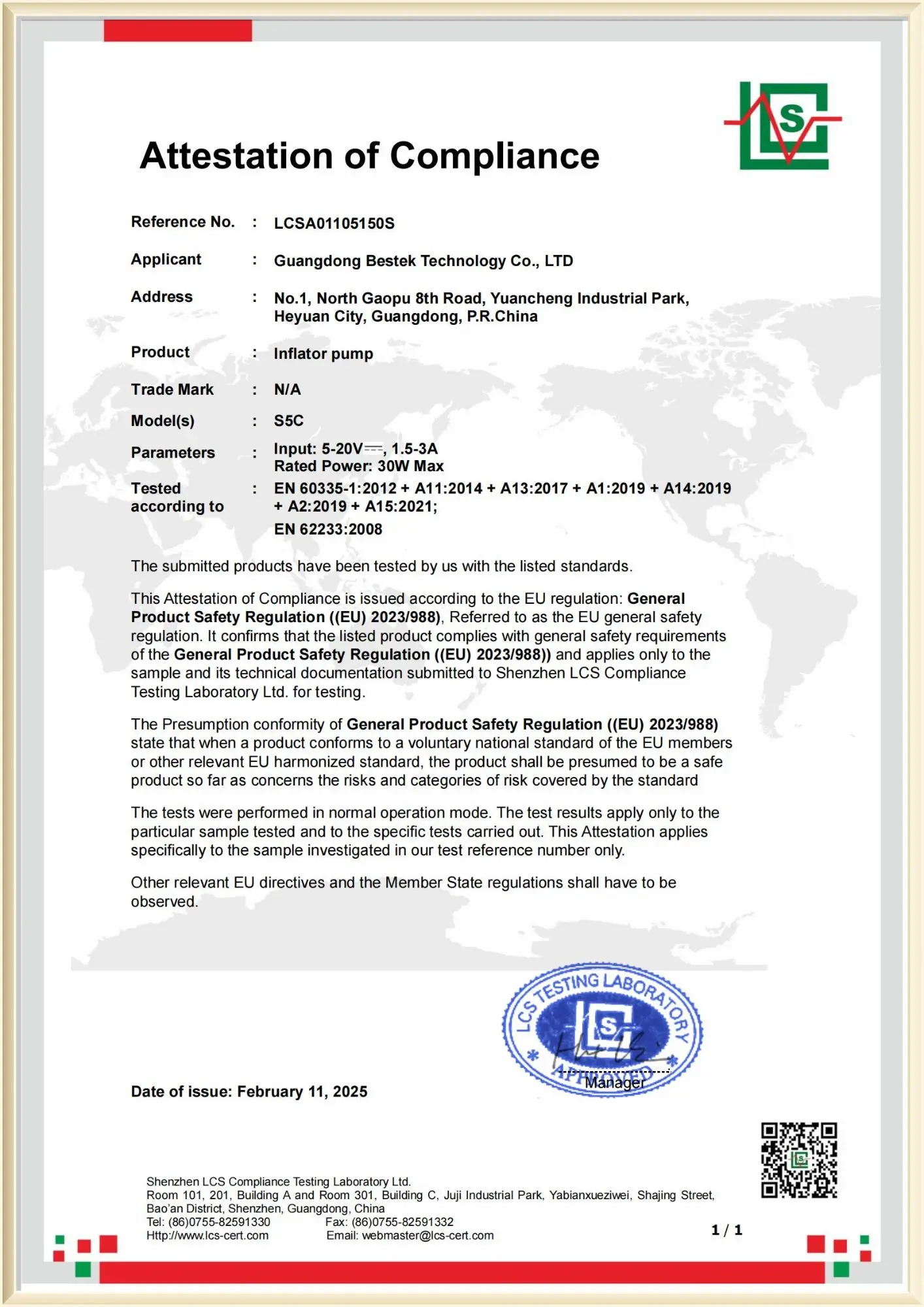
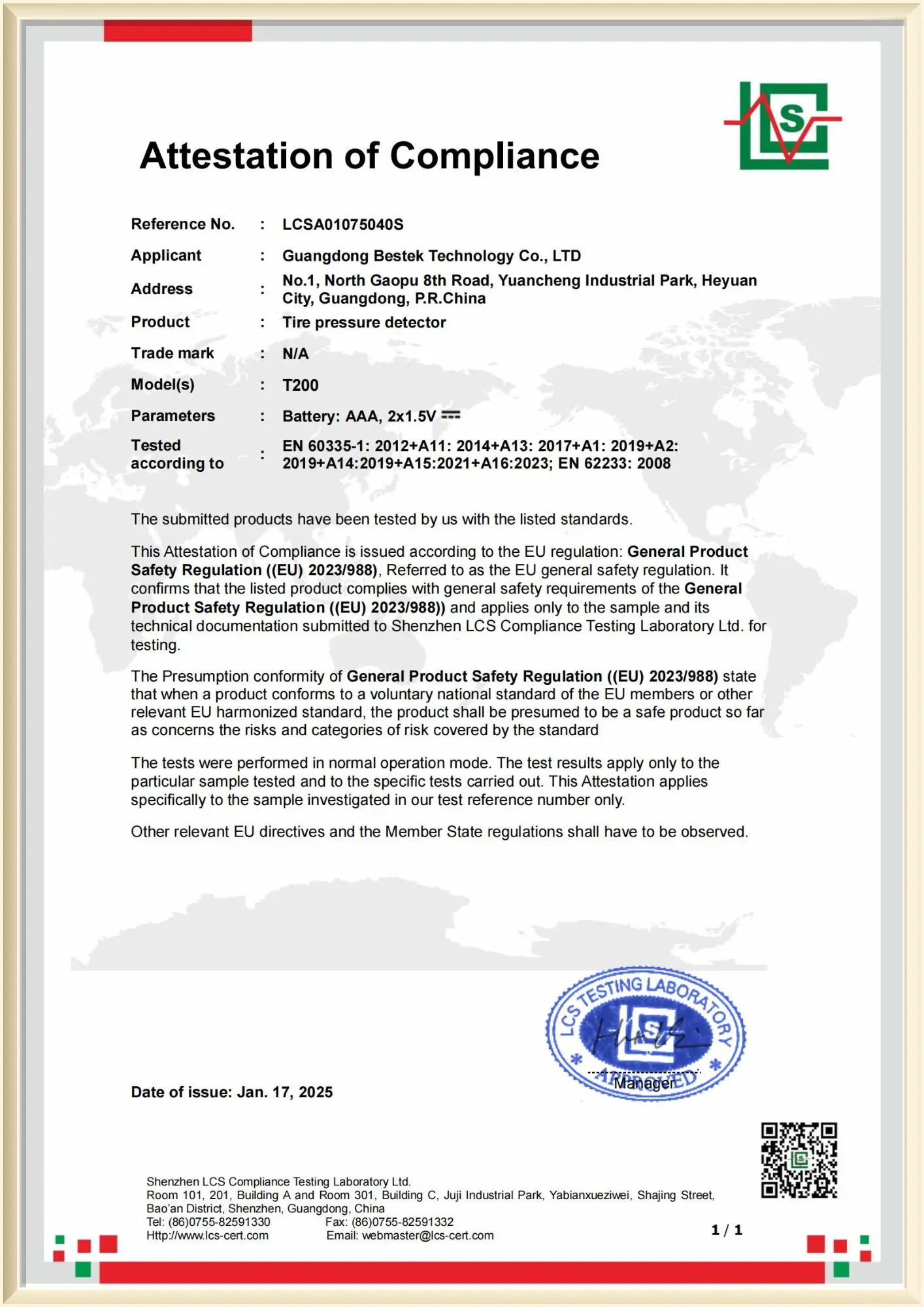
Collaborating with leaders in the automotive, industrial supply, and logistics sectors.








Addressing calibration, procurement, and environmental performance queries for professional buyers.
Our analog and digital gauges are engineered to withstand ambient operating temperatures up to 60°C. Digital models incorporate microprocessor-based temperature compensation algorithms to maintain sensor accuracy across a wide temperature range, preventing offset drift in tropical environments like Ziguinchor.
We offer FOB, CIF, and DDP shipping configurations. Cargo can be routed directly from our Vietnam or Shenzhen facilities to the Port of Dakar, or sent via air freight for urgent fleet requirements. We handle all export customs processes, including EUR.1 or GSP documentation, to ensure smooth clearing at regional customs points.
Yes. Our ODM solutions allow buyers to customize dial plates, dual-unit displays (such as Bar/PSI configurations), housing colors, and protective cases. We also offer options for bespoke rubber casings to shield gauges from dust and high impacts in off-road industrial settings.
Our digital instruments are certified to meet ANSI/ASME B40.7 Grade A calibration tolerances, which guarantee accuracy within ±1% across the full measurement scale. Each unit is calibrated using master reference instruments traceable to international metrology standards before leaving our facility.
Maintaining factories in both China and Vietnam helps us mitigate supply chain disruptions caused by regional trade tariffs or production caps. It allows us to shift production and optimize shipping costs based on current global trade conditions, ensuring a reliable and cost-effective supply line for our clients.
For custom co-branding, dial layout modifications, or specialized colorways, the standard MOQ starts at 1,000 units. For off-the-shelf catalog models, we offer smaller entry-level quantities to support regional distributors and municipal fleet pilot trials.
 MOZEN
MOZEN