Engineered to withstand rigorous workshop environments and maintain strict calibration standards across critical passenger, commercial, and off-road applications.
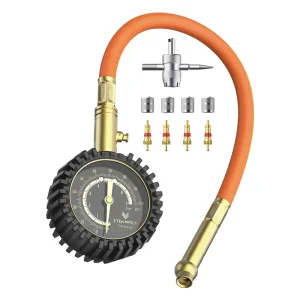
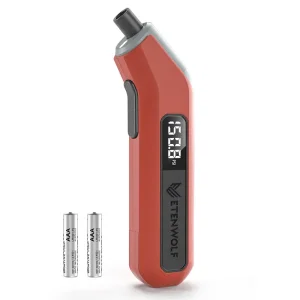
Within the borders of the United States, tire pressure instrumentation is far more than a simple vehicle maintenance task; it is a critical axis of regulatory compliance, operational safety, and resource optimization. The US automotive and transport sector operates under strict Federal Motor Vehicle Safety Standards (FMVSS), most notably FMVSS 138, which mandates Tire Pressure Monitoring Systems (TPMS) for light vehicles. However, for commercial fleets, medium/heavy-duty transport (Class 7 and 8 vehicles), and industrial workhorses, precise mechanical and digital pressure gauges remain the baseline tool for validation and emergency calibration.
From a commercial logistics standpoint, the impact of proper tire inflation is astronomical. The American Trucking Associations (ATA) estimates that under-inflation by just 10% can reduce tire tread life by up to 15% and increase fuel consumption by over 1%. In a country where long-haul truck routes cover thousands of miles across extreme weather corridors—from the sub-zero temperatures of Alaska to the scorching deserts of Arizona—accuracy under shifting environmental conditions is paramount. US fleet procurement officers consistently seek manufacturer partners who can supply gauges compliant with ANSI/ASME B40.1 Grade A or Grade 1A accuracy standards (±1% or ±2% span accuracy).
The global manufacturing paradigm for tire pressure sensors and gauges has evolved rapidly. Today, top-tier brands require a delicate balance of deep hardware engineering, rapid software prototyping, and highly cost-efficient injection and assembly setups. Shenzhen and the surrounding Greater Bay Area of China serve as the epicenter for electronic hardware innovation, mold customization, and component sourcing. By centralizing mold design, injection molding, cleanroom assembly, and PCB development within a single geographic zone, manufacturers can achieve unprecedented economies of scale.
However, geopolitical shifts, tariffs (such as Section 301 tariffs on Chinese imports), and logistics resilience have made diversification essential for North American buyers. To mitigate supply chain risks, leading manufacturers have established dual-production bases. For example, our advanced 180,000 m² (1.9 million sq ft) industrial park in China is supported by a dedicated 60,000 m² manufacturing facility in Vietnam. This dual-country redundancy allows US importers and OEMs to optimize tariff structures while maintaining consistent product quality and reliable shipping channels.
Information Gain Insight: While basic consumer gauges are mass-produced with minimal calibration oversight, high-quality industrial tire pressure gauges use heavy-duty copper bourdon tubes or military-grade piezo-resistive silicon sensors. These components prevent drift and ensure stable readings despite multiple drops on workshop concrete.
A high-quality tire pressure gauge must deliver accurate readings consistently over long periods of time. Our product development team leverages a multi-disciplinary approach to engineering, integrating mechanical resilience with advanced digital signal processing:
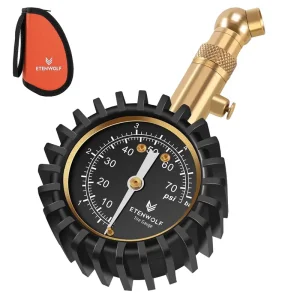
Our classic analog gauges use high-grade bronze bourdon tubes welded to heavy-duty brass movements. This design limits hysteresis and ensures the physical dial continues to track pressure shifts down to 1 PSI increments, satisfying standard ASME B40.1 test parameters.
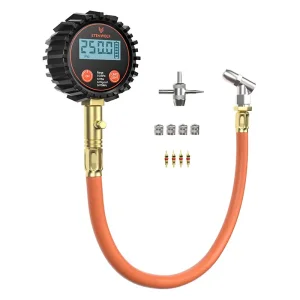
Digital pressure sensors can struggle with drift when temperatures shift rapidly. Our digital models feature built-in temperature compensation algorithms. These adjust for sensor resistance changes, keeping readings steady from winter conditions in the Midwest to summer heat waves.
Industrial settings require durable gear. Our gauge casings are protected by thick rubber gear-style boots. They also feature drop-resistant structures that isolate internal components from physical shocks and vibration during transport.
Reliability is built on third-party verification and industry partnerships. We are proud to maintain close collaborations with industry leaders, including **SHELL, HYUNDAI**, and various automotive OEMs. These organizations rely on us to deliver consumer-grade pumps and professional calibration tools that align with their brand standards.
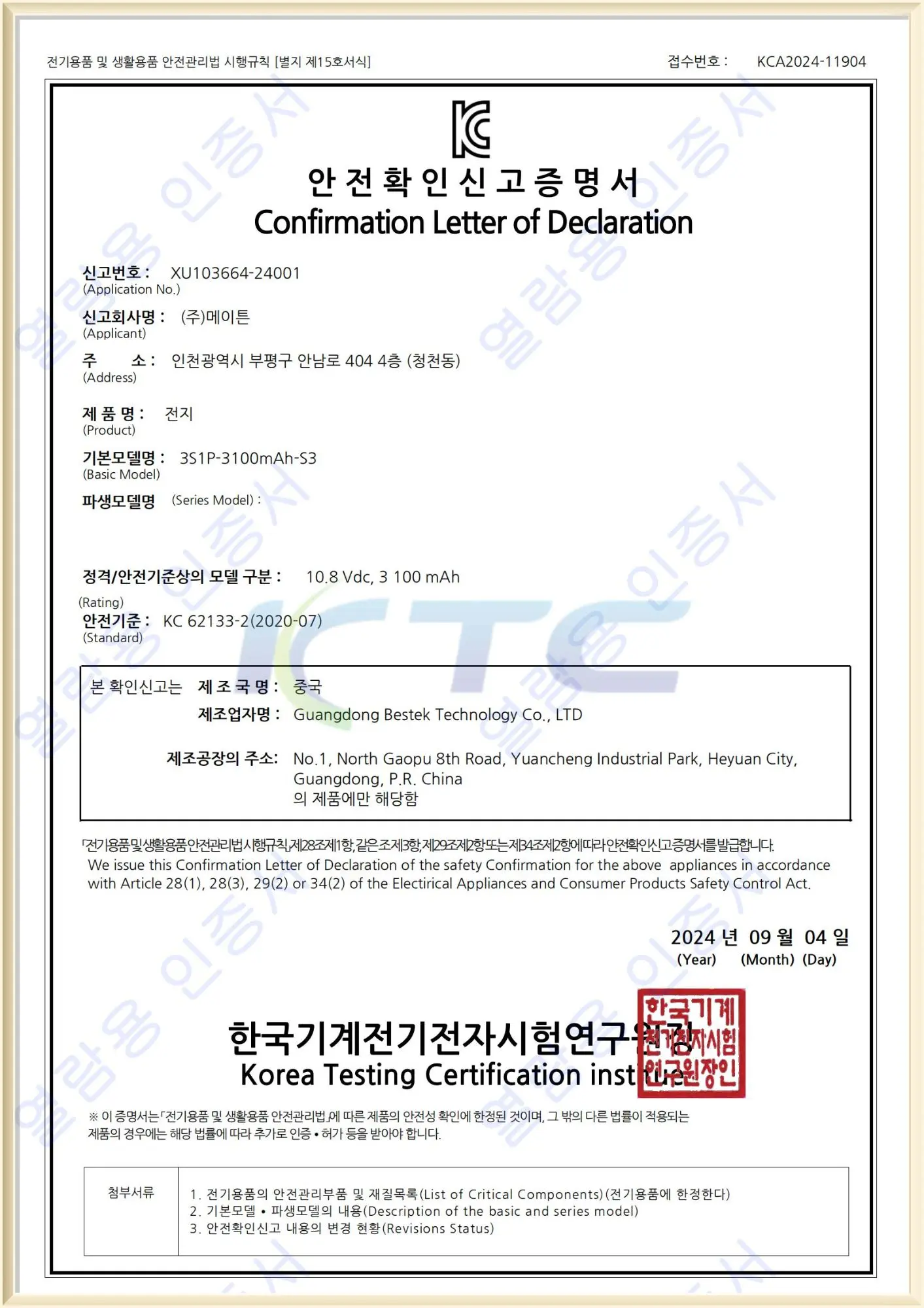
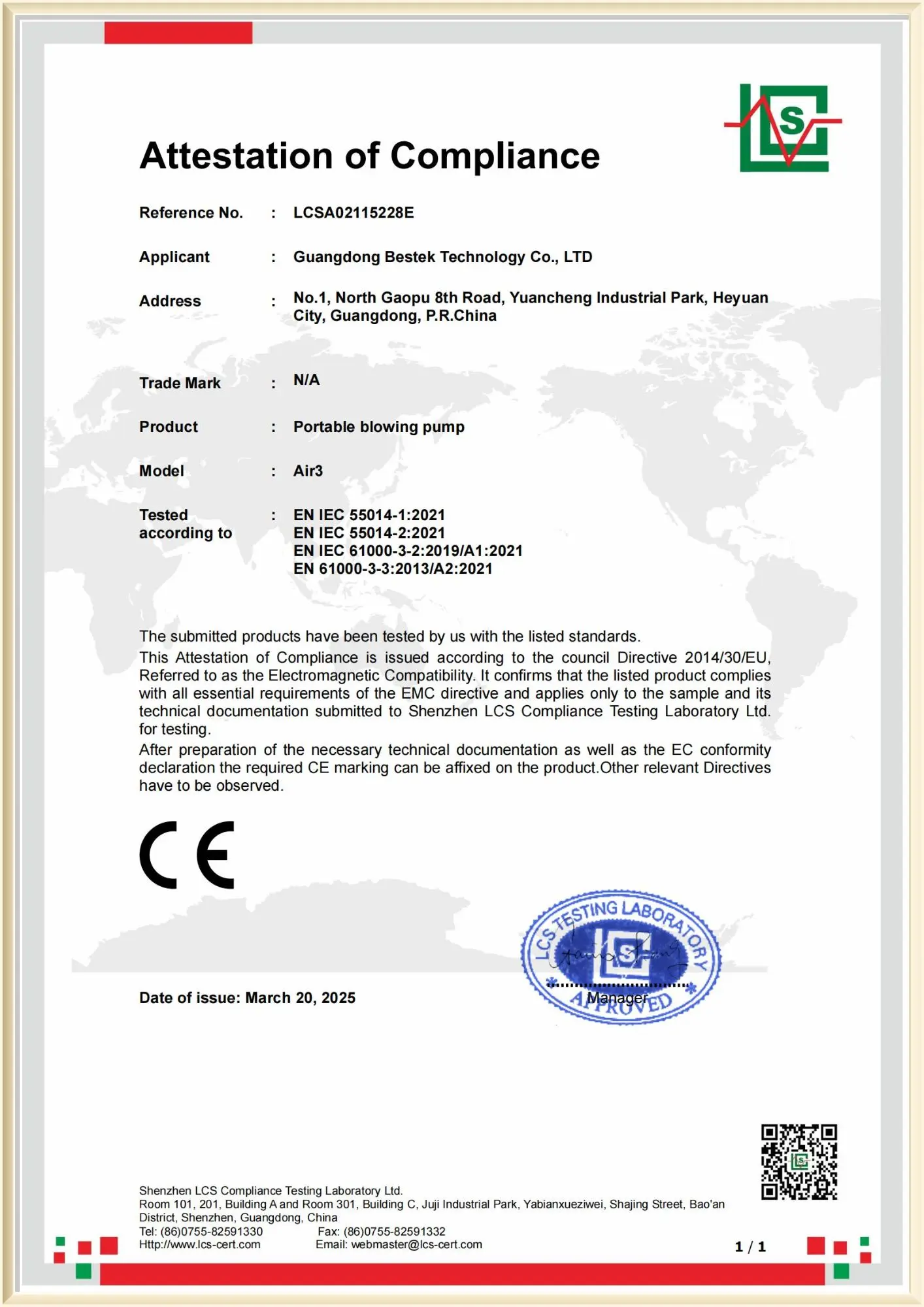
Our global operations are validated by extensive certifications, including:

Founded in 2021, Mozhen Technology (Shenzhen) Co., Ltd is focused on developing fast, safe, and reliable tire inflator and pressure gauge technologies. With a team of more than 300 R&D engineers, we manage every step of the development process in-house: from initial CAD styling and structural mold design to SMT board placement and final calibration tests.
"Precision is the foundation of vehicle safety. Our dual-motor pump designs and smart pressure systems are engineered to perform reliably in demanding commercial environments."

Different industries require specific pressure ranges and tooling standards. Here is how our product lines serve key US sectors:
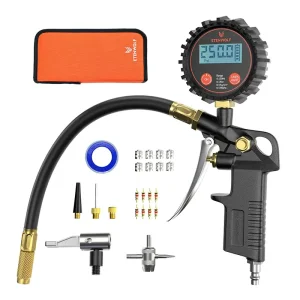
Class 8 heavy trucks operate with pressures exceeding 100 PSI. Our heavy-duty dual-foot chuck gauges and high-range digital gauges allow fleet mechanics to quickly check dual-tire assemblies during pre-trip inspections, helping to prevent costly highway blowouts.
Tractors and off-highway machinery often run on low tire pressures to minimize soil compaction. Our analog options provide clear, readable measurements down to low-PSI increments, helping farmers protect their soil and optimize traction.
US workshops require tools that can handle constant daily use. Our gauges feature dual-calibration options (PSI, kPa, Bar, kg/cm²), backlit digital readouts for dimly lit spaces, and solid brass fittings that resist thread wear.
Our manufacturing and engineering facilities operate under strict industry standards to ensure product quality and environmental compliance.

Equipped with high-precision pressure calibrators, temperature chambers, and drop-testing rigs.

Our 200+ advanced injection machines construct robust housings that stand up to daily warehouse use.

Automated surface mount lines build high-reliability PCBs for our digital tire pressure tools.
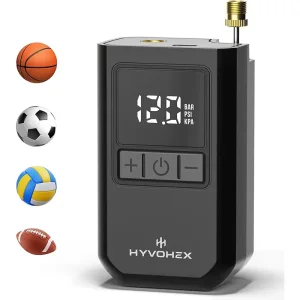
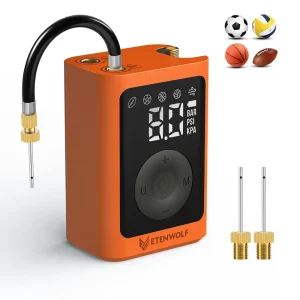
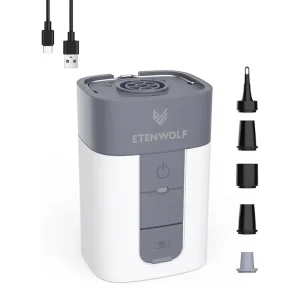
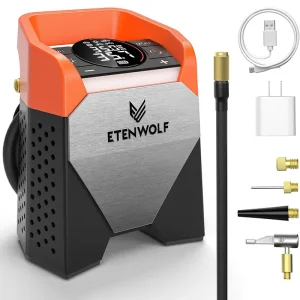
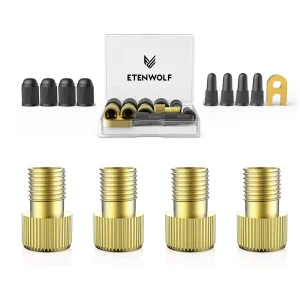
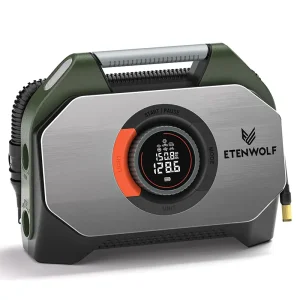
Explore our complete range of pressure gauges, smart tire inflators, and valve adaptors tailored for wholesale distribution, fleet supply, and retail networks.
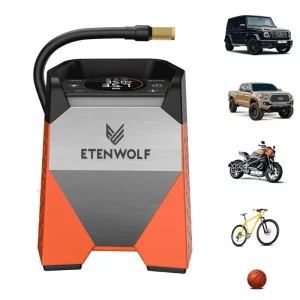

Our operations undergo regular audits from international agencies to verify standards for electrical safety, labor practices, and quality management systems.
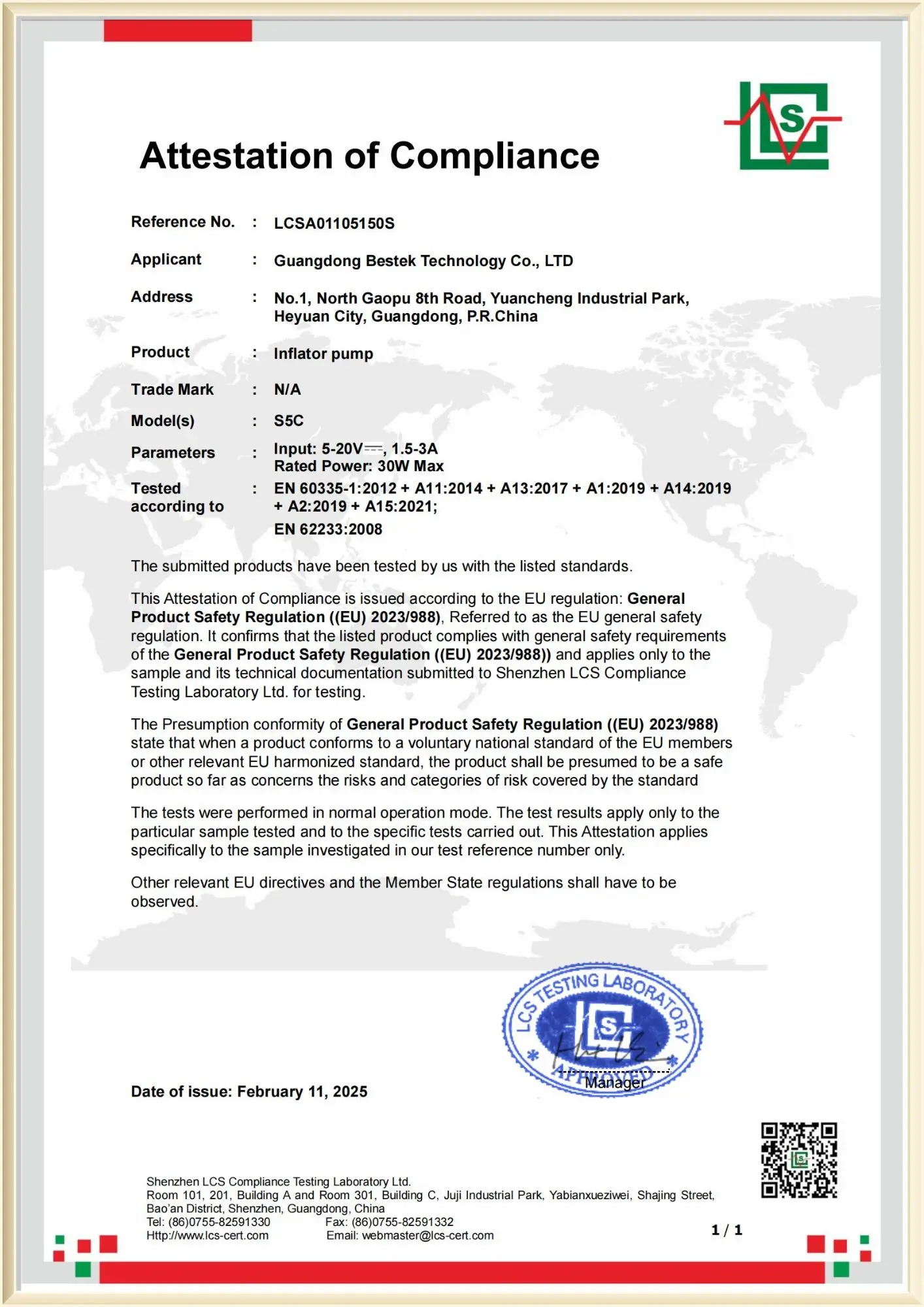
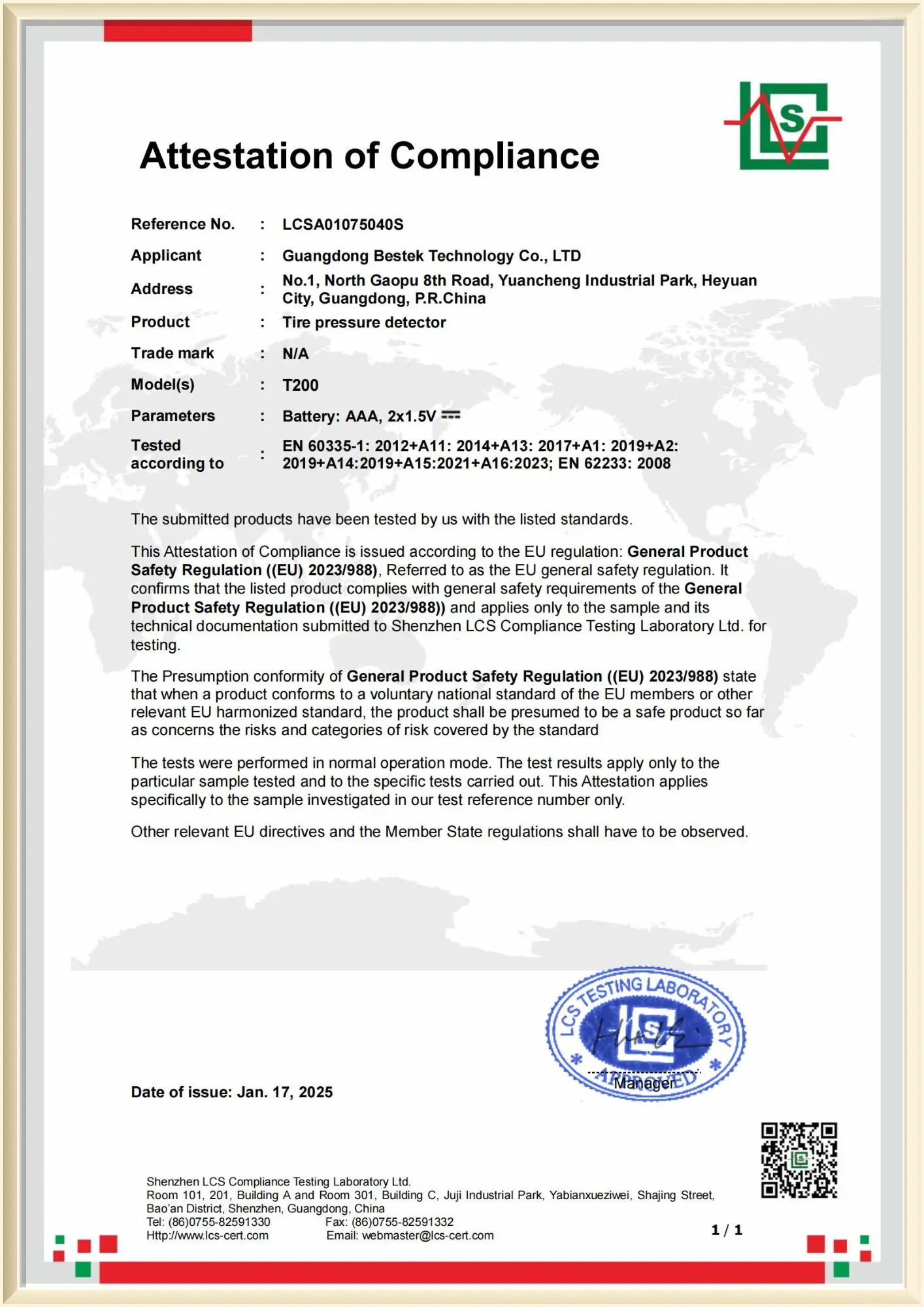
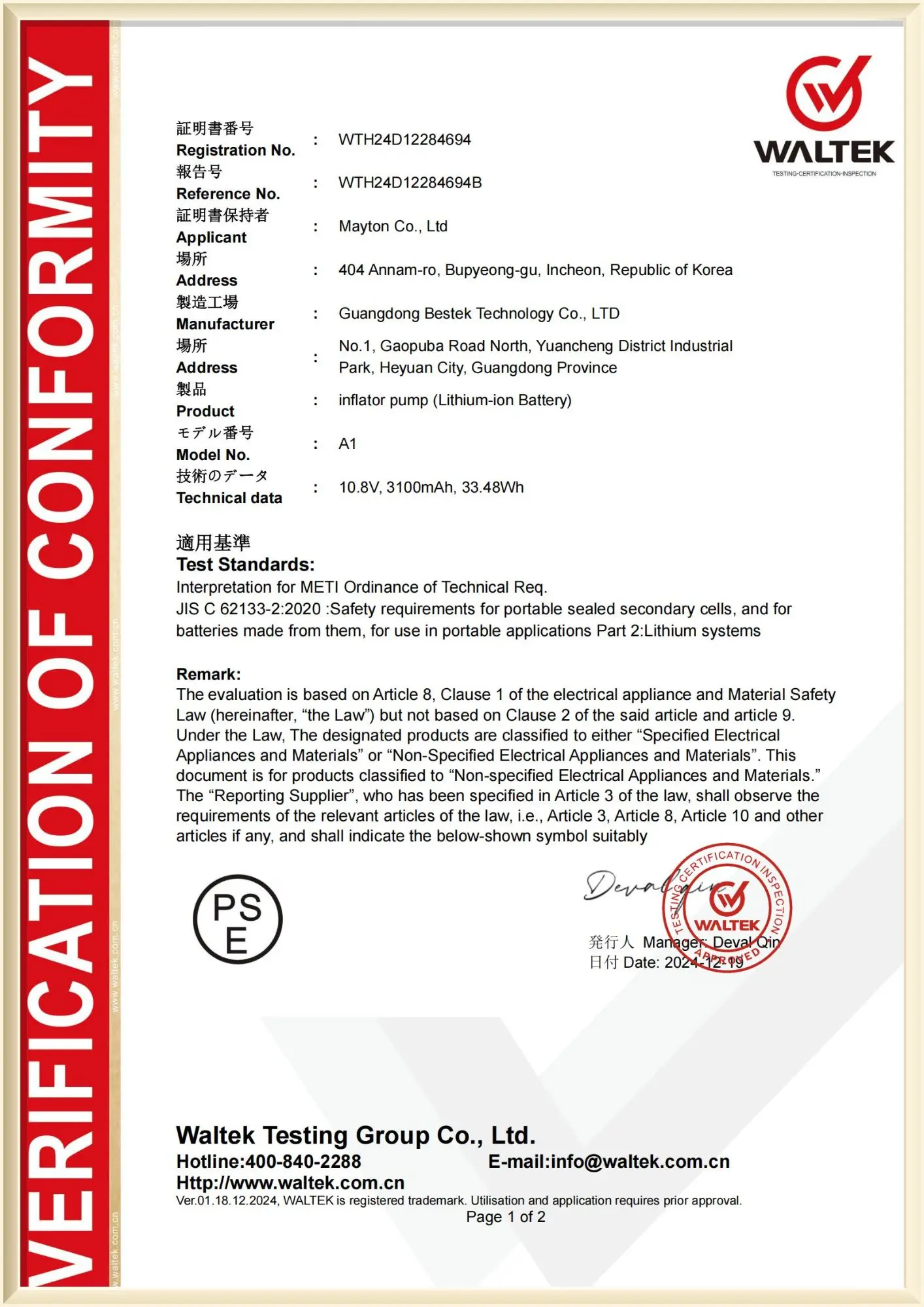
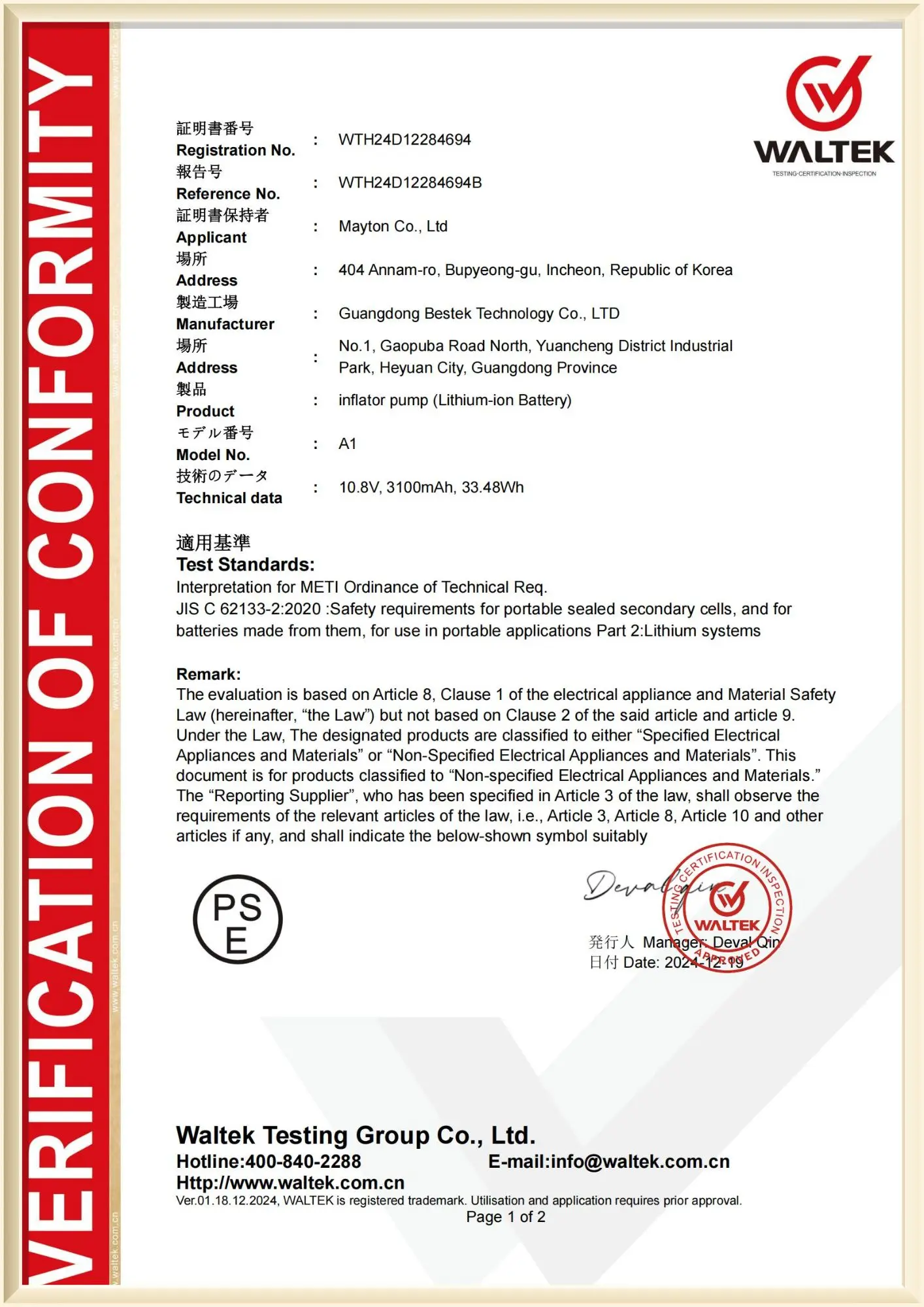
For procurement directors managing supply chains for commercial vehicle operators, heavy equipment rental fleets, or national retail chains, finding the right tire gauge supplier involves more than comparing unit costs. Consider these key factors to ensure long-term product reliability and supply chain stability:
Ensure that prospective manufacturers verify their instruments against recognized metrological standards. Professional tire pressure gauges should conform to ASME B40.1 Grade A (±2%-1%-2% accuracy) or better. Ask suppliers to provide documentation verifying their calibration processes and detailing how their quality team checks each batch against master reference gauges before shipment.
Digital tire gauges are convenient but require reliable power management to remain useful over time. Look for designs that feature auto-off functions to preserve battery life and robust microcontrollers that maintain accuracy even as battery voltage declines. Additionally, ensure the battery compartments are sealed to protect the internal electronics from moisture and dirt in active workshops.
High-quality gauges rely on precise fitment between the brass chuck and the valve stem to prevent air leakage during readings. Partner with manufacturers who maintain in-house CNC mold-making departments. This control over structural tolerances ensures clean, consistent threads on brass chucks, reducing wear on both the tool and the tire valves.
Trade policies and duties can impact import pricing. Working with a manufacturer that maintains factories in both China and Vietnam allows you to adjust order sourcing depending on current tariff conditions, helping to stabilize landed costs and ensure uninterrupted product supply.






Get answers to common technical, shipping, and customization questions from fleet buyers and product managers.
 MOZEN
MOZEN