As the primary automotive manufacturing hub in Southeast Asia, Thailand's industrial architecture relies heavily on high-precision instrumentation. The Eastern Economic Corridor (EEC) initiative has accelerated the digitalization of local manufacturing facilities, leading to strict quality controls for tier-1 suppliers and OEMs. In this context, tire pressure monitoring and pneumatic tools are not merely consumer accessories but vital components of assembly line quality control and transport safety infrastructures.
With temperatures in central and southern Thailand routinely exceeding 38°C (100°F), commercial truck fleets operating along the North-South economic corridors face severe heat-related tire failures. Incorrectly calibrated tire pressure gauges account for up to 34% of premature tire wear and catastrophic blowouts, directly impacting operational overheads and safety margins for Thai logistics companies.
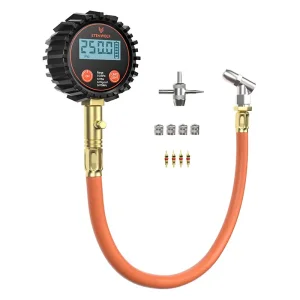
Tire pressure gauges deployed in tropical regions must incorporate thermal compensation. Standard pressure sensors suffer from thermal drift when exposed to high ambient humidity and temperature changes. Our industrial-grade digital gauges utilize advanced piezoelectric sensors with integrated temperature compensation algorithms, ensuring stability from 0°C to 50°C. This level of calibration reliability is critical for fleet operators in regions like Bangkok, Laem Chabang, and Rayong.
In a volatile geopolitical landscape, procurement managers require absolute certainty in capacity, tariff mitigation, and supply chain continuity. To meet these needs, we operate a dual-production base spanning both China and Vietnam. This strategic footprint allows us to optimize component sourcing, manage shipping lanes efficiently, and protect our clients from fluctuating import tariffs.
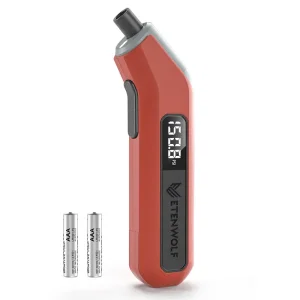
Heavy duty trucks travelling the route from Chiang Mai down to Bangkok and onto the deep-sea ports at Laem Chabang experience dramatic changes in both temperature and road surfaces. High road surface temperatures on Thailand's Highway 1 demand frequent, highly accurate cold tire pressure readings. Utilizing our T300 or T400 digital gauges ensures compliance with fleet safety standards and minimizes expensive on-road failures.
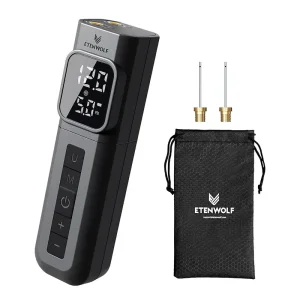
In congested urban areas like Bangkok and Nonthaburi, stop-and-go driving with under-inflated tires severely reduces fuel efficiency. By providing precise pressure readings, our smart consumer tire gauges assist drivers in maintaining optimal inflation levels. This lowers rolling resistance and reduces carbon emissions, aligning with Thailand's green energy objectives.
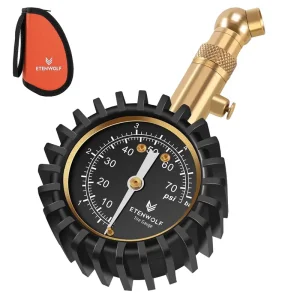
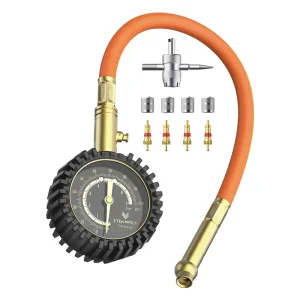
Thailand's agricultural sector relies heavily on utility vehicles and tractors operating on soft terrains. In sugarcane and rubber plantations, reducing tire pressure is a common technique used to improve traction and avoid soil compaction. Our dual-range analog and digital gauges provide the necessary resolution to monitor low pressures down to 3 PSI, helping operators prevent tire bead slippage.
Mozhen Technology is committed to delivering ergonomically optimized, visually distinct, and technically superior tire inflation equipment. Our R&D team holds a Red Dot Award, reflecting our dedication to combining functional utility with modern aesthetic design.
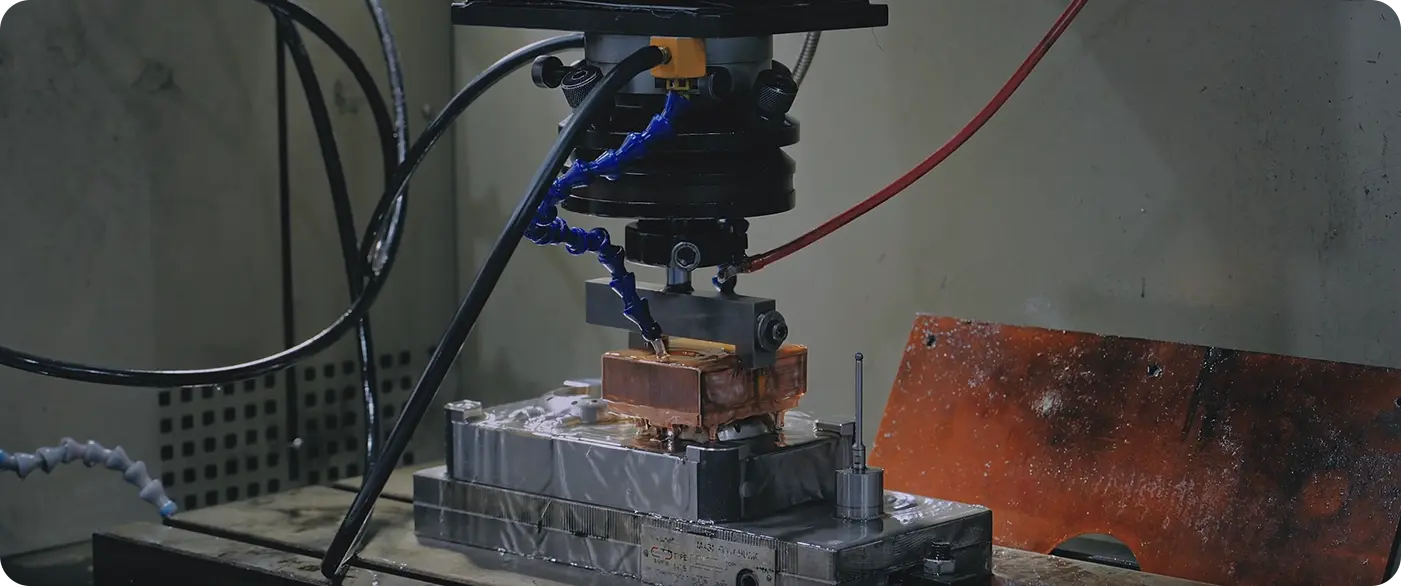
We leverage 200+ advanced injection molding machines, mold fabrication workshops, and 17 dedicated SMT lines featuring automated optical inspection (AOI). This comprehensive capability enables us to offer complete ODM services, managing the process from initial design sketches through to final certified mass production.


Quality management system certification ensuring consistent manufacturing quality across all production lines.
Environmental management system certification focusing on sustainable sourcing and waste reduction.
Ethical audit standard covering labor rights, workplace health and safety, environmental practices, and business ethics.
Confirming product safety compliance for the North American market, matching rigorous electrical safety standards.
Pre-certified product platforms developed to reduce time-to-market for custom client configurations.
We work closely with industry leaders, including Shell, Hyundai, and various automotive OEMs. This collaboration keeps our engineering practices aligned with global standards and helps us deliver high-precision tools tailored for demanding operating environments.








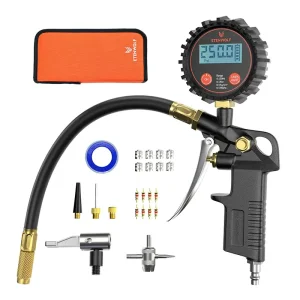
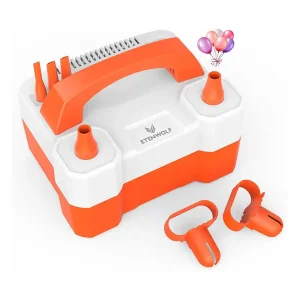
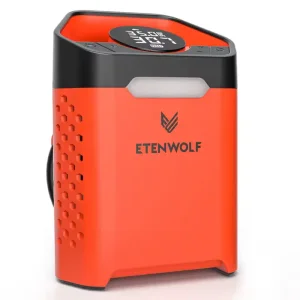
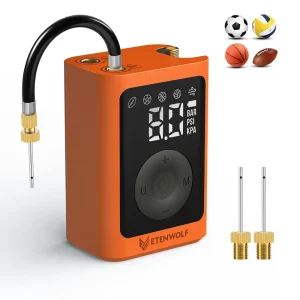
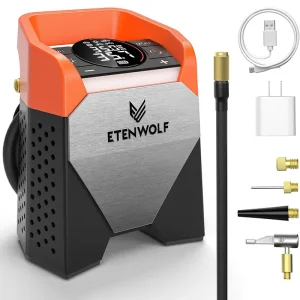
The global tire pressure gauge market is shifting from manual analog gauges to smart digital systems. Modern fleet managers expect real-time calibration tracking and cloud-integrated data logging to streamline preventative maintenance.
Our engineering team works on integrating BLE (Bluetooth Low Energy) and IoT modules into handheld digital units. This enables field technicians to automatically transmit tire pressure data to centralized fleet management software, eliminating manual logging errors and streamlining record-keeping.
When sourcing pressure gauges for the Thai market, procurement departments should evaluate the following criteria:
Thailand's high ambient temperatures cause significant thermal expansion in the air within tires, raising the internal pressure. If a gauge lacks temperature compensation, it will deliver inconsistent readings as the ambient temperature changes. Our industrial-grade digital gauges utilize smart software correction to maintain accuracy across these temperature shifts.
Under the ASEAN Free Trade Area (AFTA) agreements, goods manufactured in Vietnam that meet regional value content requirements qualify for reduced or zero import tariffs when shipped to other member states, including Thailand. Sourcing from our Vietnam facility can help lower duties and simplify regional import processes.
Yes, our manufacturing systems are ISO 9001 certified. This means every gauge undergoes a multi-point calibration verification process against national standard masters before packaging, ensuring reliability for both consumer and commercial applications.
Our standard MOQ for custom casing branding, customized packaging, and specific scale ranges starts at 1,000 units, depending on the model. For custom PCB software adjustments or unique housing configurations, please contact our R&D engineering team directly to discuss your requirements.
 MOZEN
MOZEN