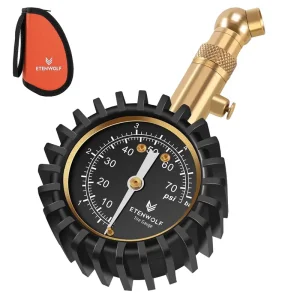
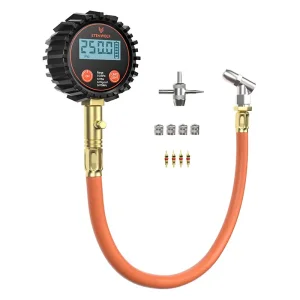
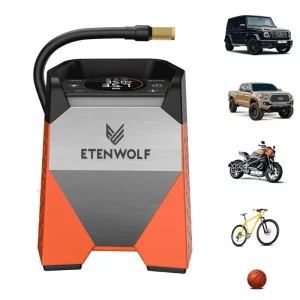
Engineered for the demanding environments of Norway, from the coastal Arctic highways of Tromsø to the commercial transport networks of Oslo.
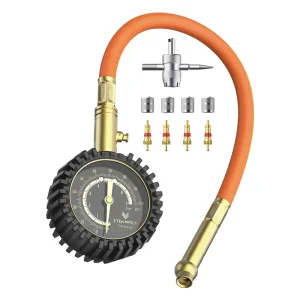
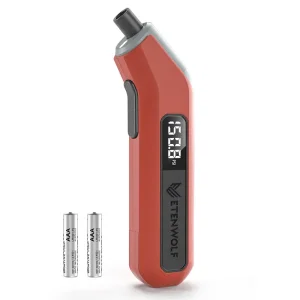
Norway represents one of the most unique automotive environments globally. With the world's highest per-capita adoption rate of Electric Vehicles (EVs) alongside brutal Arctic winters, tire pressure management has evolved from routine maintenance to a critical driver of vehicle range safety and logistical uptime. In climates where winter temperatures drop below -20°C in inland hubs like Hedmark and Finnmark, the physical behavior of air inside tires presents extreme engineering challenges. According to Gay-Lussac’s Law, tire pressure drops by approximately 0.1 bar (1.5 PSI) for every 10°C drop in ambient temperature. For EV fleets operating heavy commercial vehicles or premium consumer crossovers in Norway, this thermal contraction directly causes premature tire wear, a substantial drop in battery efficiency, and compromised traction on icy roads.
Furthermore, the Norwegian transport sector relies heavily on heavy-duty logistics to traverse mountainous terrains through thousands of road tunnels and coastal mountain passes. In these regions, a single roadside delay due to tire failure can paralyze key economic corridors like the E6 highway. Commercial fleet managers in Oslo, Bergen, and Trondheim require tire pressure gauges that are not only calibrated to extreme high levels of accuracy but can also maintain their calibration in sub-zero environments, resist road salts (like Magnesium Chloride used for road de-icing), and feature ergonomic interfaces operable even with thermal gloves.
Procuring tire pressure gauges for industrial fleets and professional retail networks in Norway involves balancing complex logistics with strict performance standards. B2B buyers must navigate several key procurement factors:
Mozhen Technology (Shenzhen) Co., Ltd: Empowering global partners with state-of-the-art tire pressure instruments and advanced digital electronics.
Established in 2021, Mozhen Technology (Shenzhen) Co., Ltd operates with over 1.9 million square feet of high-tech production space. Our facility integrates mold design, injection molding, clean assembly, SMT circuit placement, and proprietary PCB hardware and software development under one roof. Equipped with approximately 200 advanced injection molding machines, 17 automated SMT lines with Automatic Optical Inspection (AOI), and dual production centers in China and Vietnam, we deliver high-capacity global supply stability, shielding buyers from geopolitical or tariff-related disruptions.
For the Norwegian market, we offer dedicated product customization to address localized climate and vehicle demands. We optimize the electrical circuits on our PCB modules using specialized temperature-compensated crystal oscillators. This design mitigates calibration drift caused by ambient temperature swings, ensuring that the pressure reading remains accurate down to ±0.5% at extreme cold limits.
Our heavy-duty solid brass and stainless-steel chuck configurations prevent rust, corrosion, and air leakage when connecting to tire valves exposed to snow, salt, and grime. Additionally, our digital platforms support bar, kPa, and PSI measurement units natively, matching the distinct preferences of industrial workshops and consumer garages across Scandinavia.
Request customized OEM/ODM packaging, pricing, and compliance certifications tailored for the Norwegian market.
Send Inquiry NowPioneering faster, safer, and more reliable calibration technologies to match the future of smart mobility.
As the global automotive sector shifts toward connected, autonomous, and shared electric mobility, the humble tire pressure gauge is transforming into an intelligent diagnostic device. Our R&D department, led by a team of 300+ engineers, is pushing boundaries in the following domains:
Our dedication to engineering and clean design has earned our team the prestigious Red Dot Design Award. We recognize that the operational efficiency of industrial tools relies on ergonomics. A heavy, poorly balanced tire pressure gauge leads to user fatigue and incorrect seal alignments, causing air leaks during pressure checks. By optimizing weight distribution, incorporating non-slip tactile grips, and implementing high-visibility high-definition displays, we provide tools that operators trust in any weather condition.
Mozhen maintains comprehensive quality control and corporate responsibility parameters. We hold active ISO 9001 and ISO 14001 certifications. Our factories undergo SMETA ethical trade audits, ensuring compliance with global labor standards, worker safety, and environmental practices. Furthermore, our products are certified by UL and ETL for North American and European safety standards.


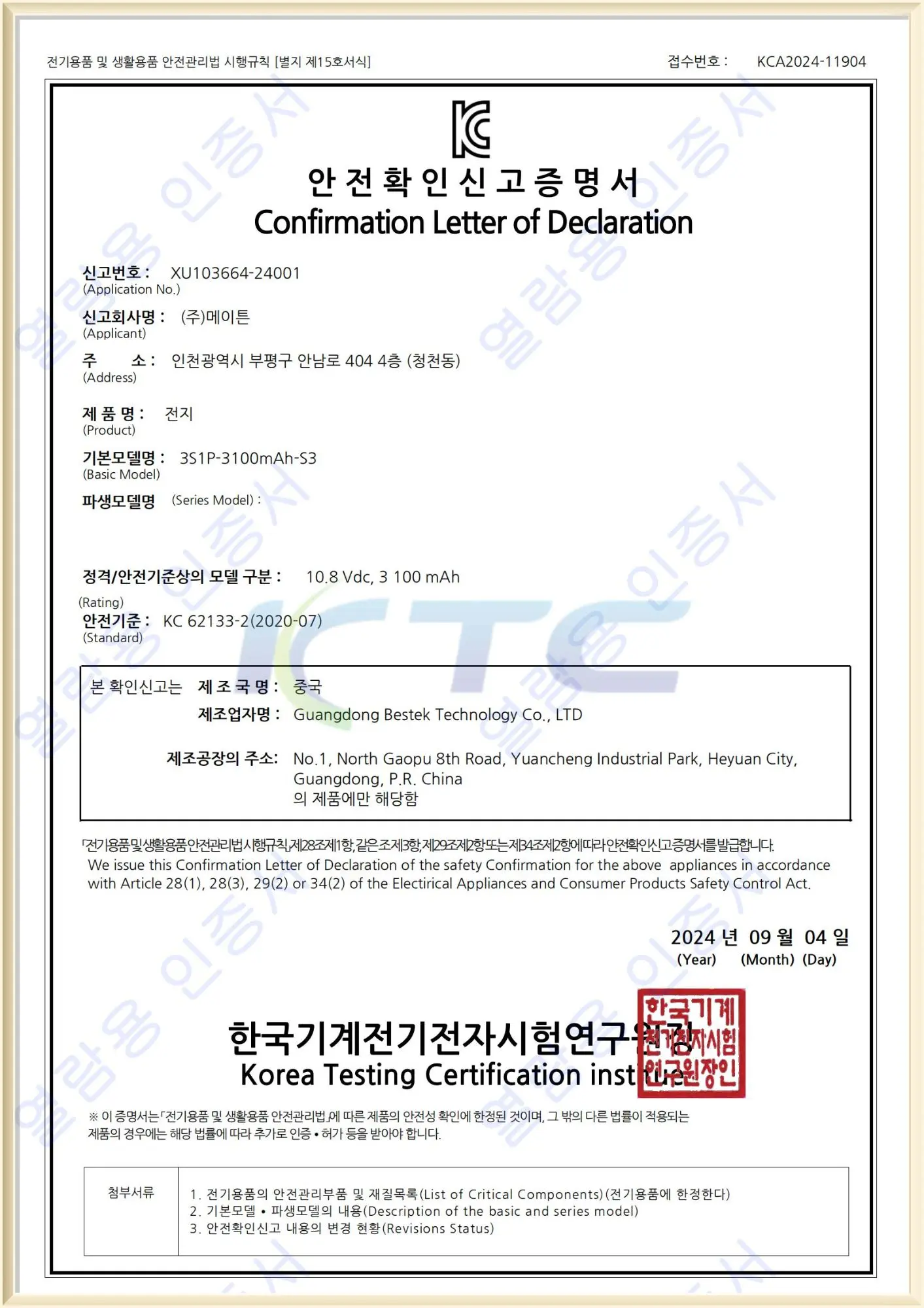
Examine our full lineup of digital and analog precision tire diagnostic instruments, engineered for heavy industrial and consumer automotive applications.
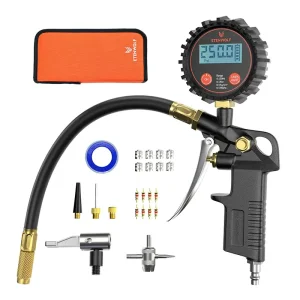
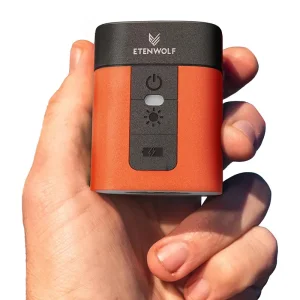
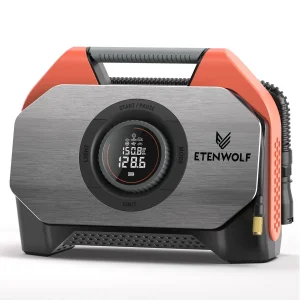
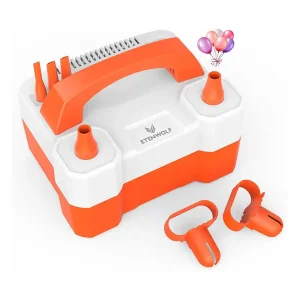
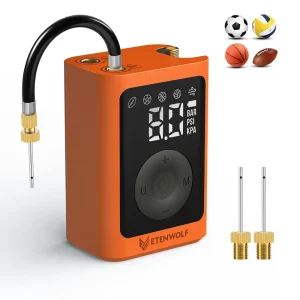
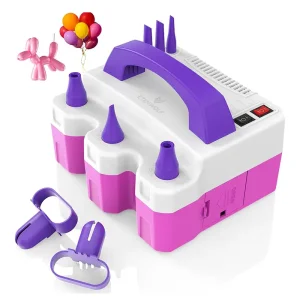
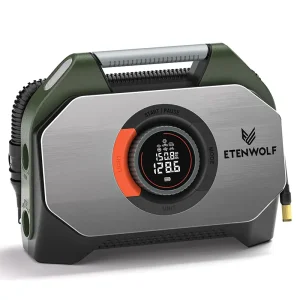
Aligning with Norway's strict safety standards, environmental guidelines, and B2B import policies.
Importing machinery and diagnostic tooling into Norway (which is a member of the European Economic Area but not a member state of the European Union) requires attention to both general European directives and specific national rules established by Direktoratet for samfunnssikkerhet og beredskap (DSB).
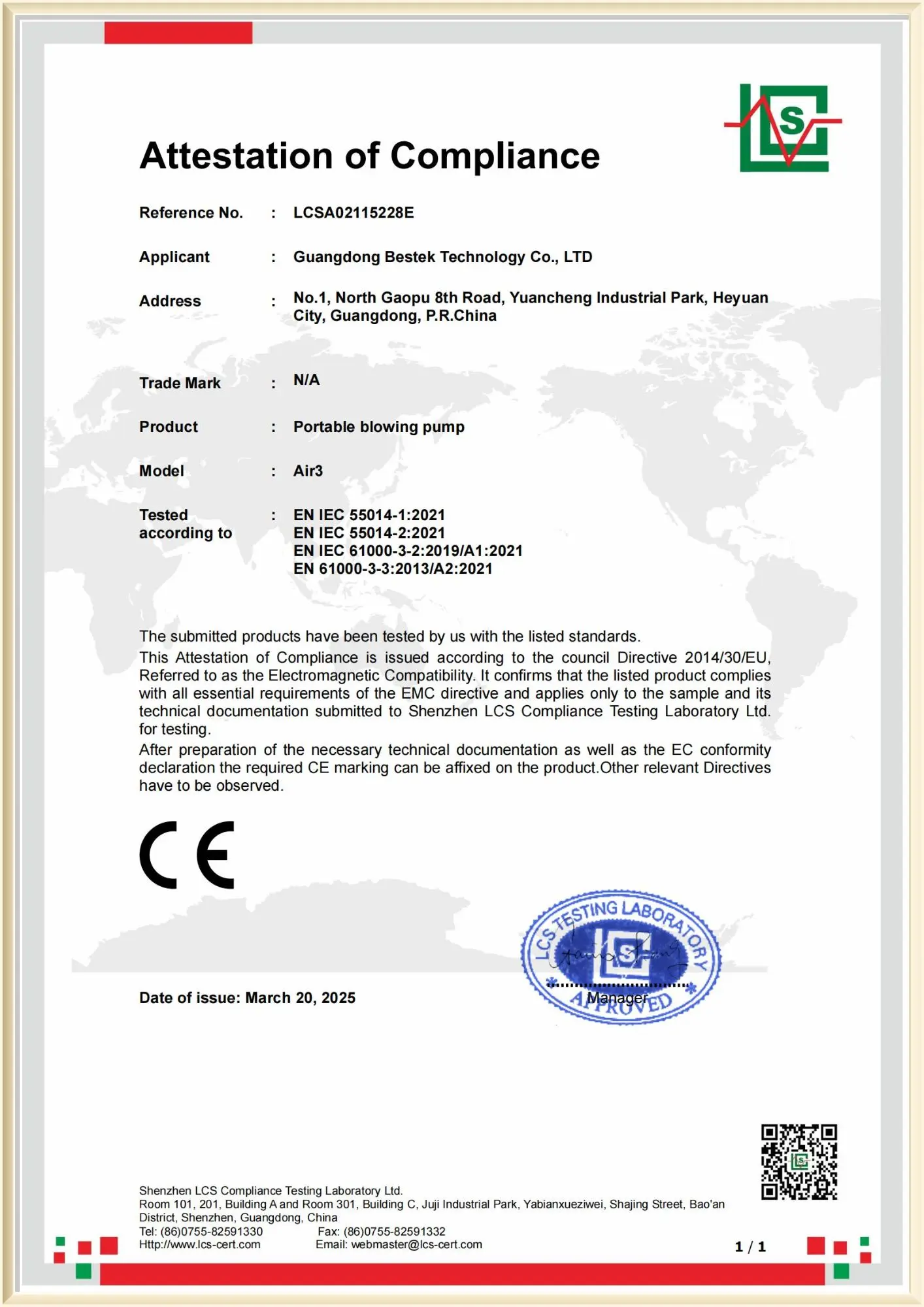
All digital pressure monitoring components exported by Mozhen to Norway conform fully to the European Union's CE Marking directives. This includes adherence to the Electromagnetic Compatibility (EMC) Directive 2014/30/EU, confirming that our digital microcontrollers do not interfere with standard vehicle telemetry systems. We also verify full compliance with the RoHS Directive (Restriction of Hazardous Substances) and the WEEE (Waste Electrical and Electronic Equipment) guidelines, addressing key environmental mandates set by the Norwegian government.
Every wholesale shipment delivered to Norwegian ports of entry is accompanied by detailed Calibration Declarations. Our engineering facility operates a strict testing process, validating readings against master gauges calibrated to international standards. This ensures that when our gear arrives at cold weather staging yards in Norway, it is certified ready for deployment in professional logistics networks, construction yards, and public utility service stations.
We work closely with global industry leaders and automotive giants to supply precision parts and inflator units:






Addressing core technical questions from fleet operators, B2B procurement heads, and quality inspectors regarding tire pressure systems in cold climates.
Get in touch with our commercial sales team for custom wholesale quotes, product datasheets, and direct factory pricing.
Send Inquiry Now MOZEN
MOZEN