 MOZEN
MOZEN

B2B Industry Whitepaper: Sourcing & Engineering Dynamics
Analyzing critical vectors of technological evolution, macroeconomic shifts, and modern manufacturing paradigms in tire inflation and pressure sensing systems.
📈1. Global Trends in Tire Pump Gauge & Inflator Technology
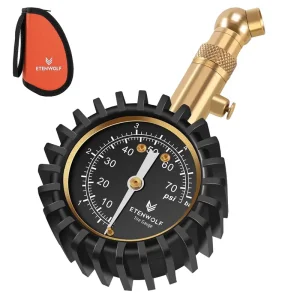
The global automotive aftermarket is undergoing a structural paradigm shift driven by digital integration, high-precision electronic measurement, and the democratization of portable lithium-ion technology. Historically, tire pressure gauges relied on mechanical Bourdon tubes or simple diaphragm mechanisms. While robust, these systems lacked the accuracy levels required by modern high-performance vehicles, especially those equipped with complex Tire Pressure Monitoring Systems (TPMS).
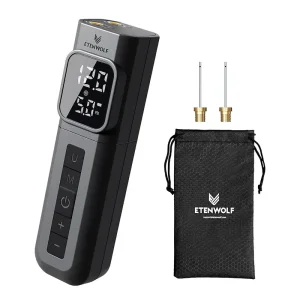
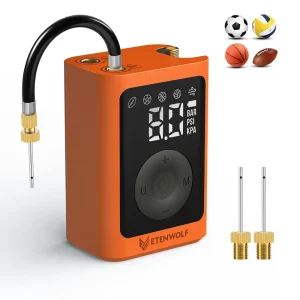
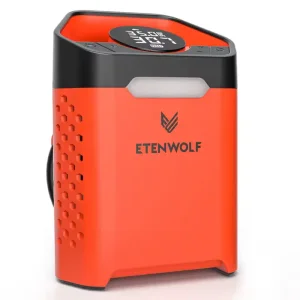
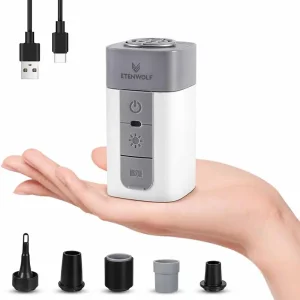
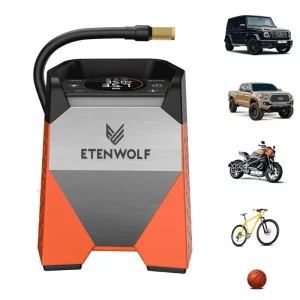
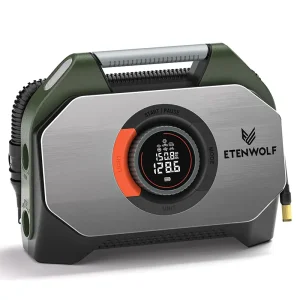
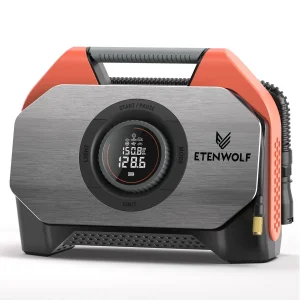
Today, the demand is firmly concentrated in smart digital systems integrating high-resolution ASIC pressure sensors, MCU-controlled automatic shutoff mechanics, and ultra-high-density battery cells (up to 38400mAh in premium flagship models like the ETENWOLF S7). These systems boast precision tolerances down to +/- 0.5 PSI, rendering mechanical options obsolete in professional diagnostic contexts. Additionally, the convergence of consumer electronics has birthed a demand for multi-functional smart air compressors capable of inflating vehicle tires, sports equipment, and recreational outdoor gear with high-speed performance and absolute calibration reliability.
Brushless DC Motors
Modern ODM platforms integrate high-efficiency BLDC motors which drastically improve lifetime duty cycles, heat dissipation, and CFM delivery speeds.
BMS Protection Circuits
Advanced Battery Management Systems protect units against over-current, over-charge, short-circuits, and thermal runaway under extreme high-pressure operations.
ASIC Calibration Chips
Integrated circuits compute tire pressure with zero-drift accuracy, adapting to elevation and ambient temperature changes dynamically.
🔍2. Sourcing Requirements of Global Enterprises and Distributing Partners
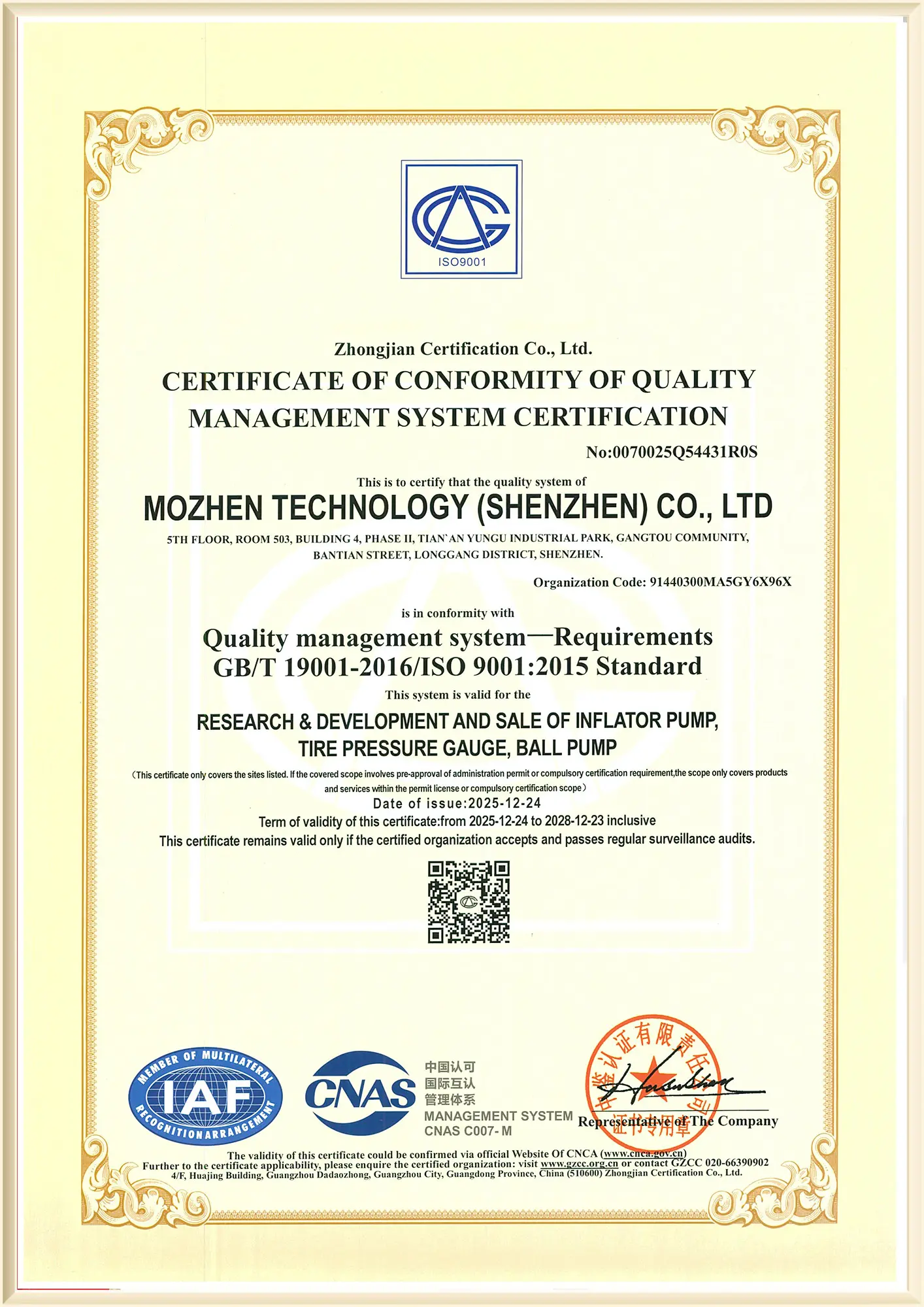
Procurement managers and sourcing directors representing Tier-1 retail chains, automotive OEMs, and logistics giants face escalating challenges regarding regulatory compliance, environmental footprint, and supply chain ethics. Sourcing professional-grade tire pump gauges and inflators requires strict compliance with international testing frameworks. A quality-driven factory must not only supply standard specifications but also demonstrate credentials like ISO 9001 for system consistency and ISO 14001 for environment-friendly production.
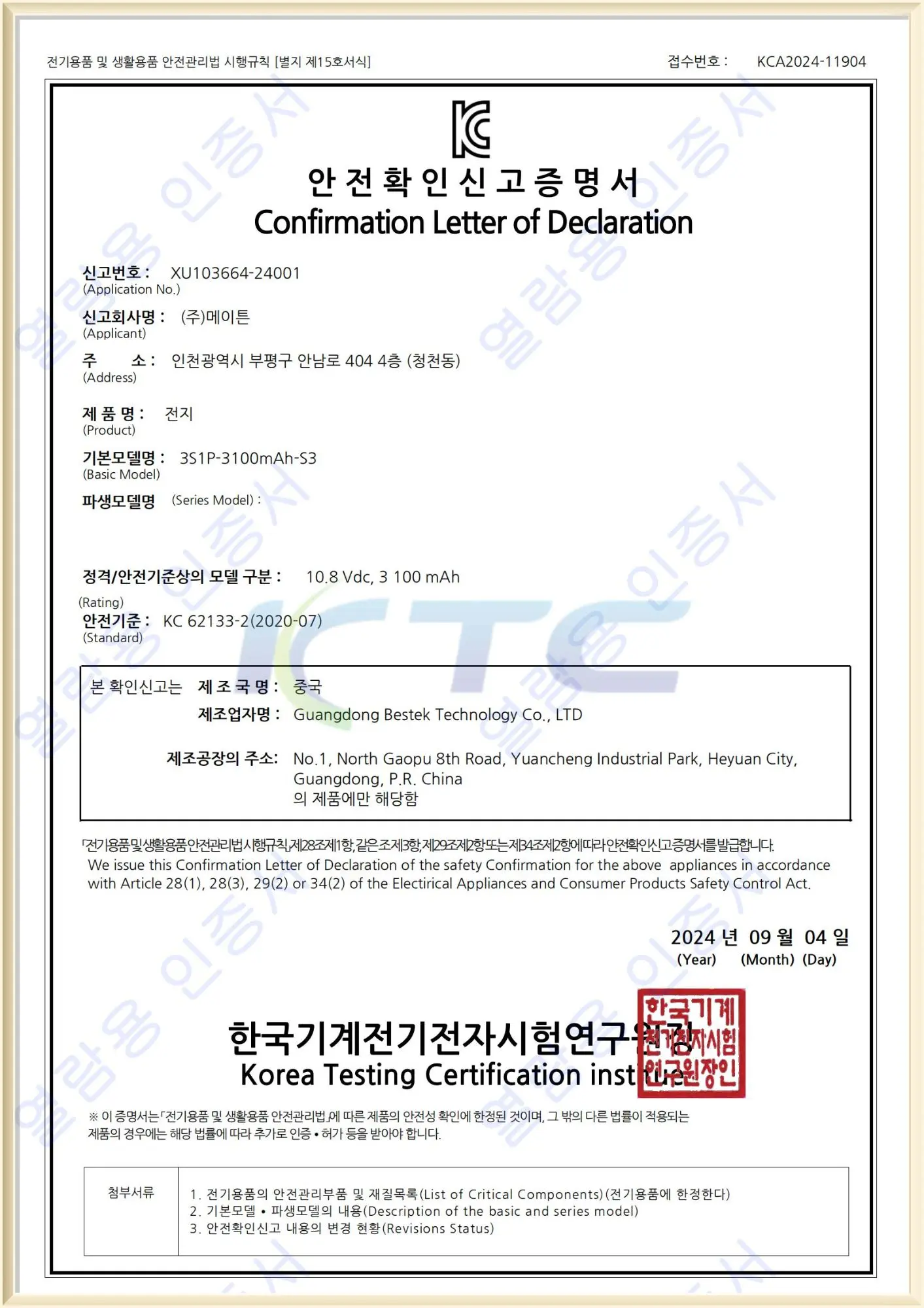
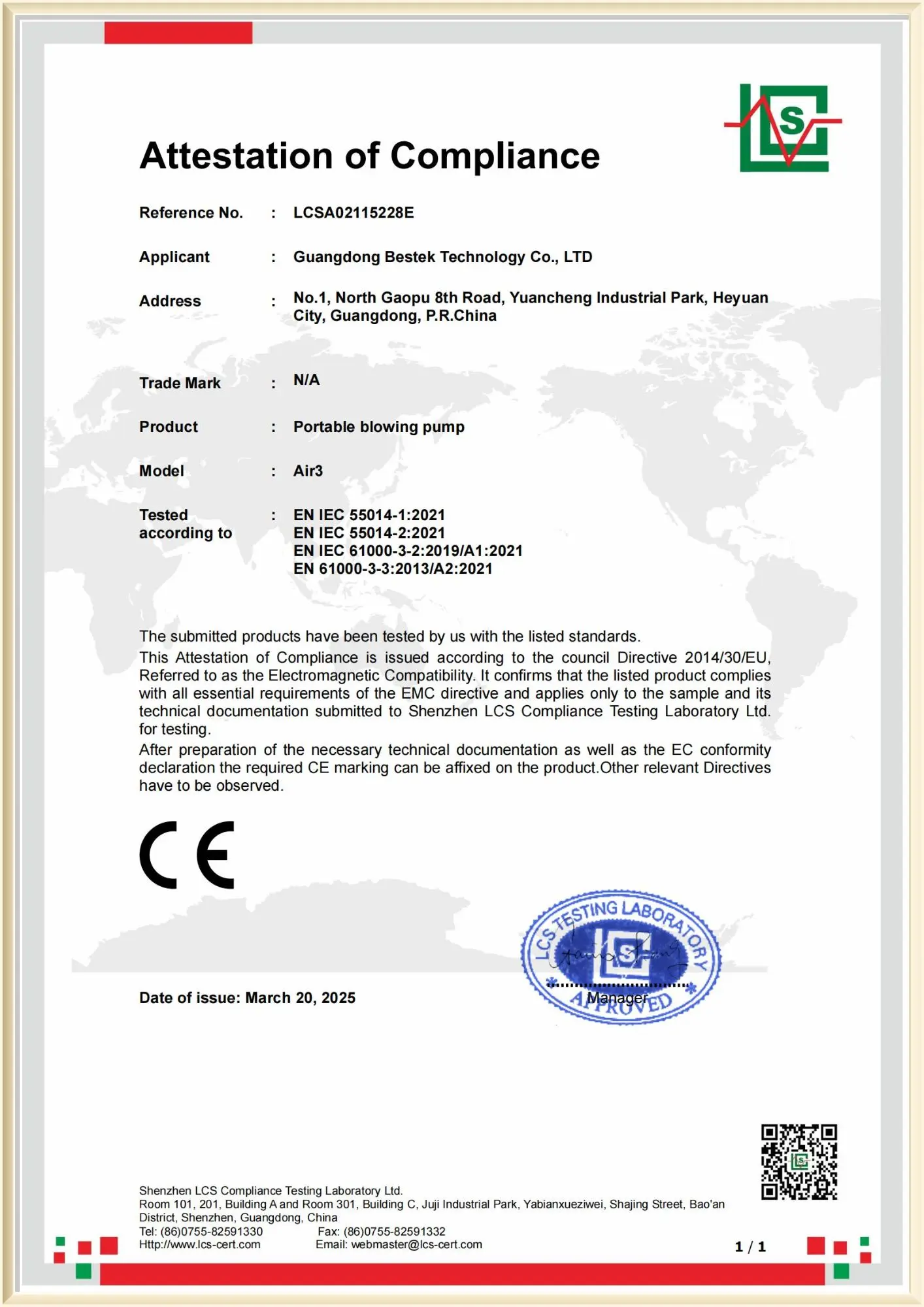
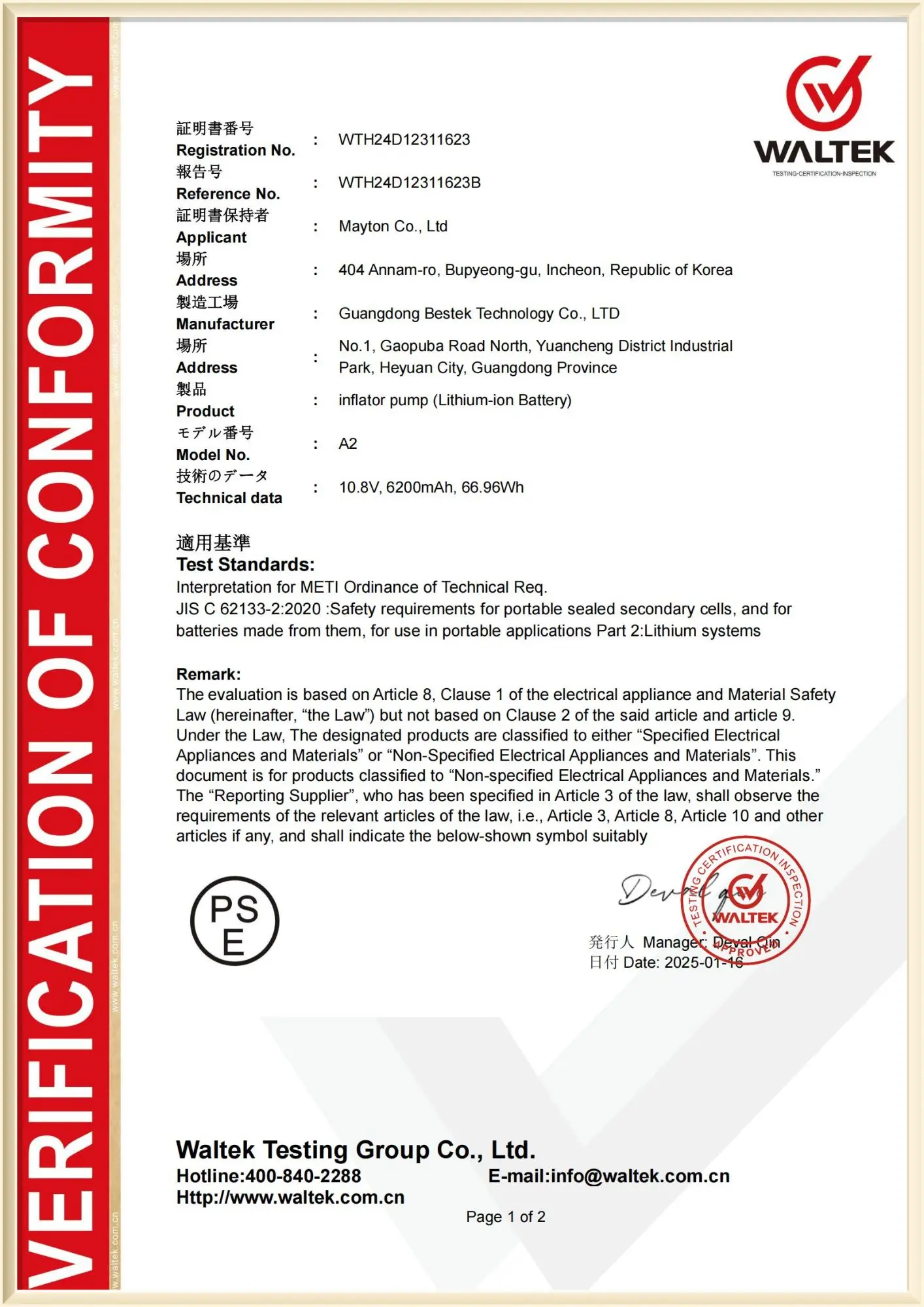
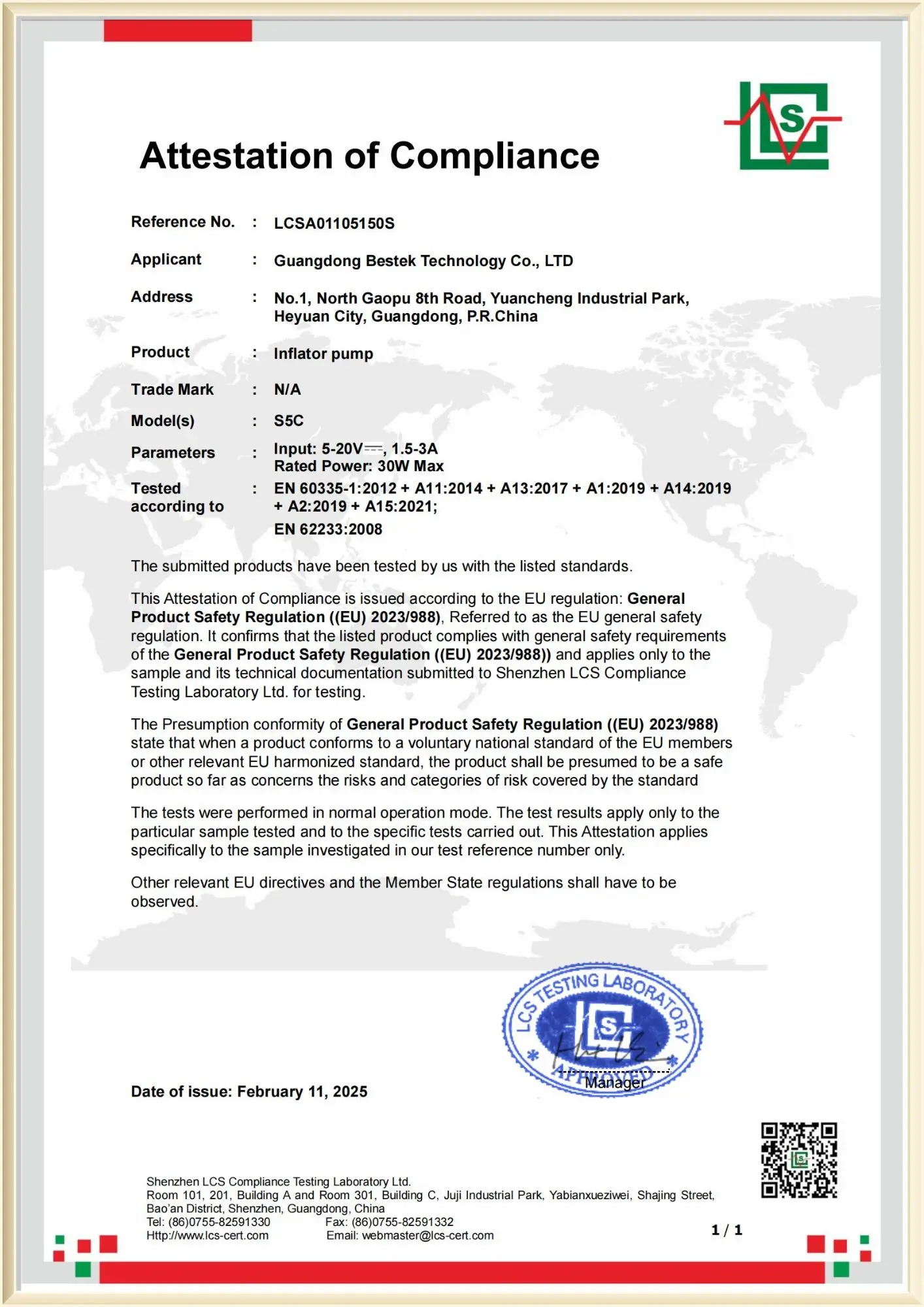
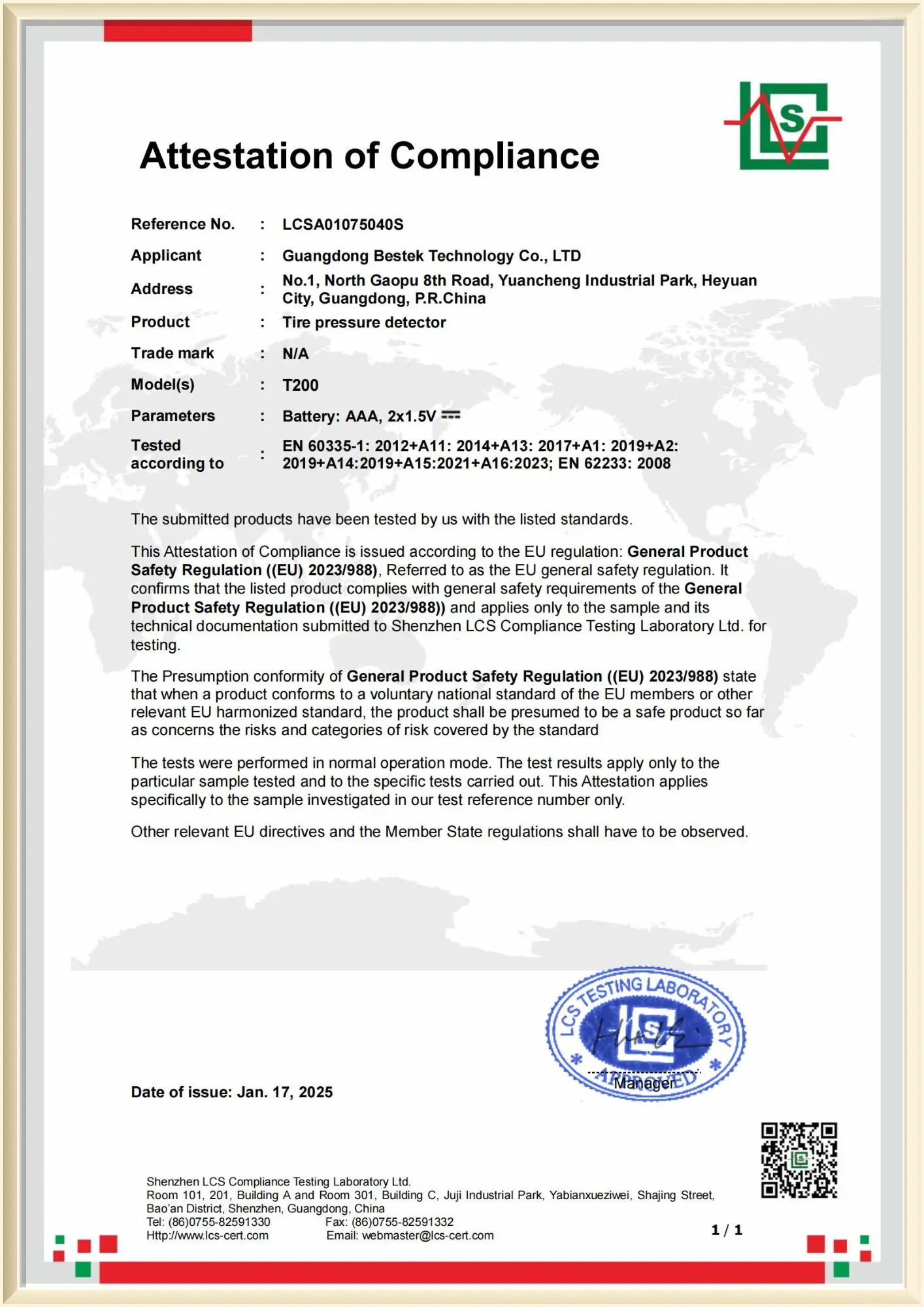
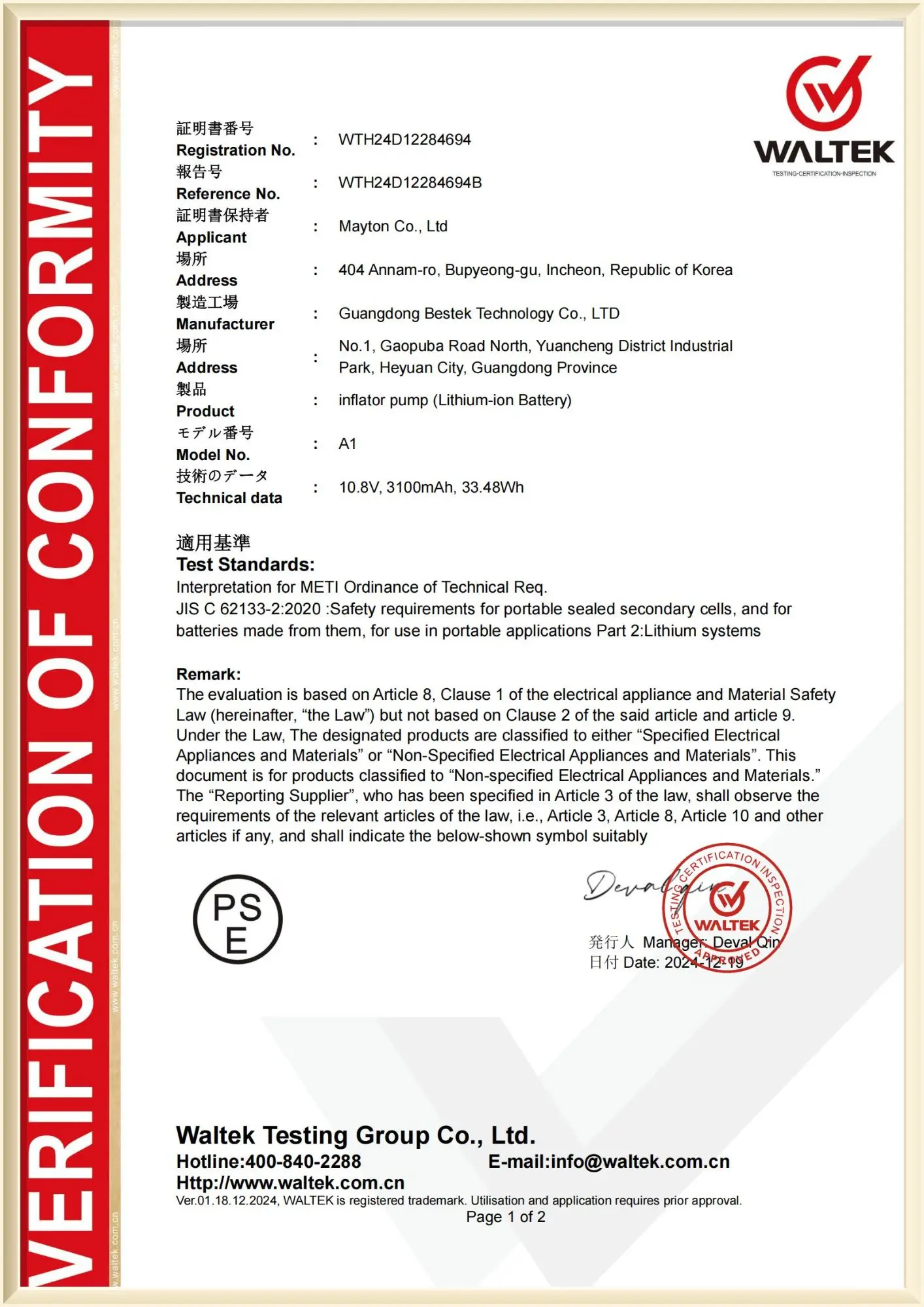
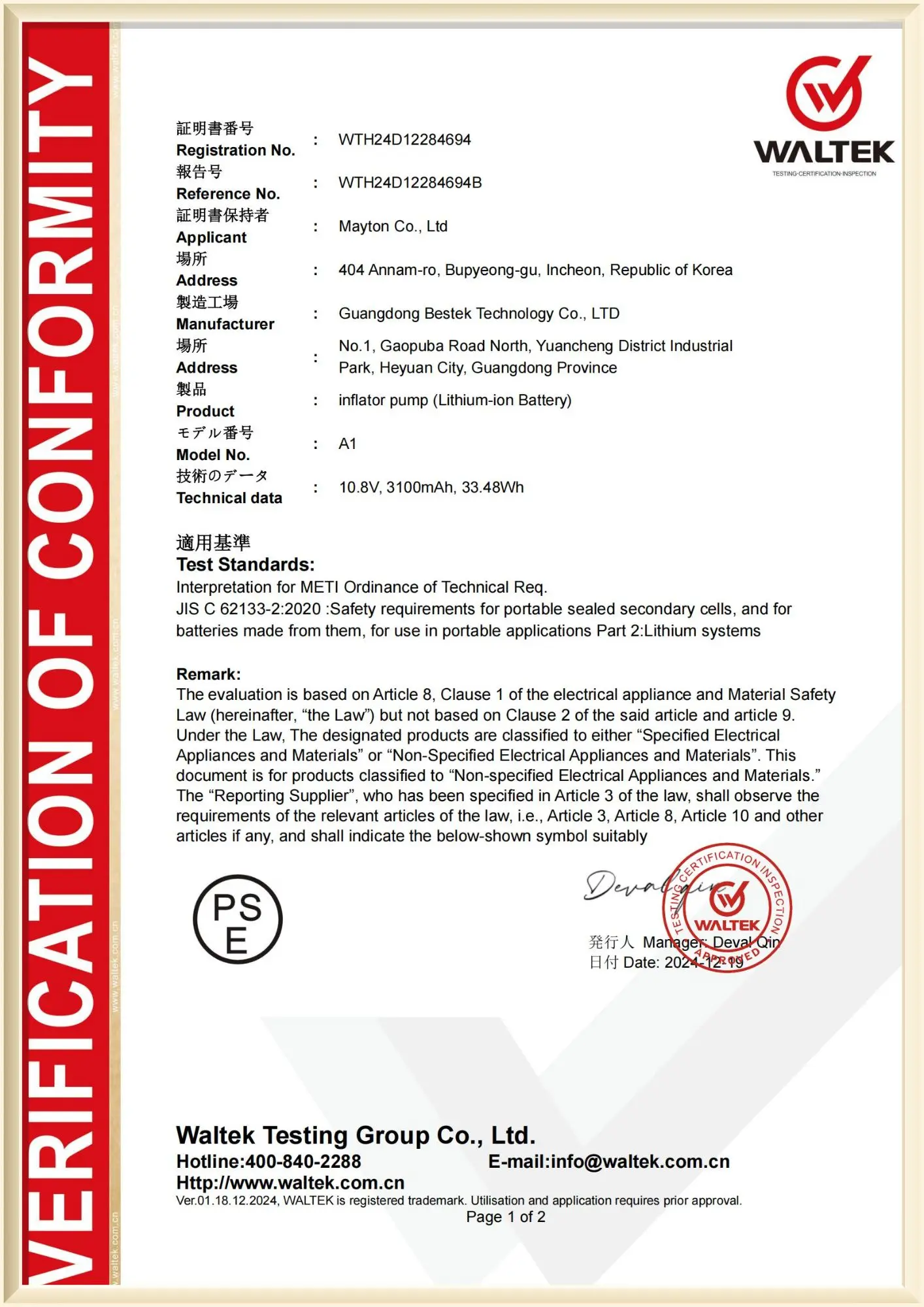
Moreover, global enterprises require certification frameworks that meet regional safety guidelines, such as UL and ETL for North American markets, alongside CE and FCC markers. Social and corporate responsibility compliance, evaluated via frameworks such as SMETA (Sedex Members Ethical Trade Audit), is no longer optional. It serves as a preliminary gateway for manufacturing plants wishing to supply established corporations like Shell, Hyundai, or other automotive leaders. Factory partners must maintain clean manufacturing spaces, fair labor standards, and transparent supply pipelines to mitigate reputational risk.