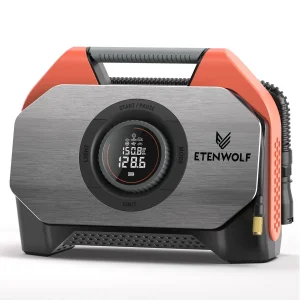
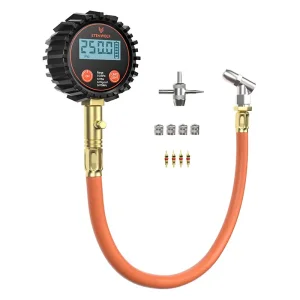
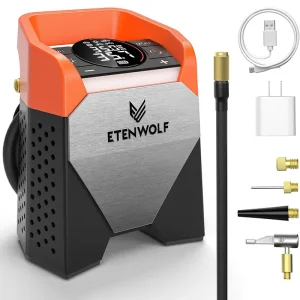
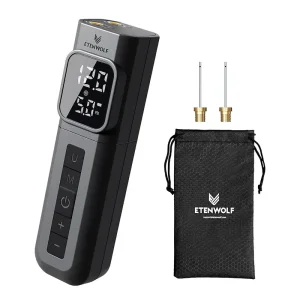
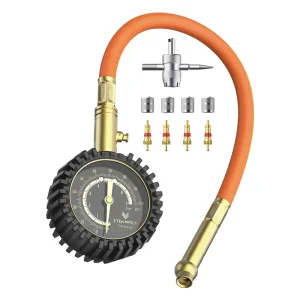
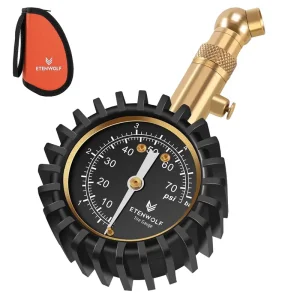
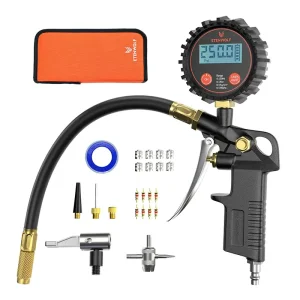
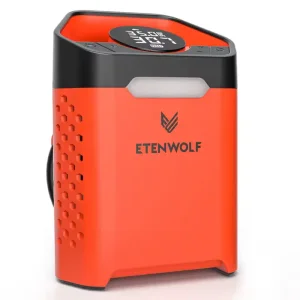
High-precision diagnostic equipment engineered for heavy machinery, utility fleets, and agricultural systems.
Modern commercial agriculture relies heavily on mechanical efficiency, where large-scale tractors and combine harvesters exert massive weight on topsoil. Soil compaction remains one of the costliest operational failures in farming, directly suppressing root development, limiting water infiltration, and lowering crop yields by up to 15-20%. Minimizing this environmental impact depends directly on managing the vehicle's footprint on the field.
By controlling tire inflation pressures, fleet managers can expand the tire contact patch (or "footprint"), effectively distributing heavy machinery weight across a broader surface area. Lowering inflation pressures reduces depth compaction and preserves soil structure. However, operating agricultural tires at low PSI ranges (often between 6 to 15 PSI) demands precise accuracy. A variance of even 1-2 PSI can cause tire bead slip, sidewall degradation, or uneven tire wear. Precise measurement tools are essential to maintain these narrow tolerances safely.

Our ISO 9001 certified facilities ensure every tractor tire pressure gauge is calibrated to meet global agricultural tolerances.
Standard consumer-grade tire gauges are not built to withstand the harsh conditions of agricultural applications. Farm machinery operates in environments filled with mud, corrosive fertilizers, fine dust, and extreme temperatures. These factors present distinct engineering challenges for measurement instruments:
Many tractor operators fill their tires with liquid ballast (such as calcium chloride solutions, water, or beet juice) to increase traction and lower the center of gravity. Standard internal gauge mechanisms corrode rapidly when exposed to these chemical solutions. Agricultural gauges require corrosion-resistant internals, such as brass cores or stainless steel fittings, to prevent chemical damage.
Gauges must perform reliably across extreme temperature ranges, from sub-zero winter storage to intense summer field heat. Dust and moisture ingress protection (IP ratings) are critical to shield digital displays and analog dial gears from fine silt and heavy rain.
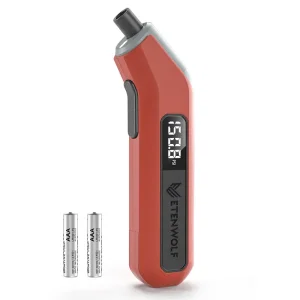
Standard truck gauges optimized for 100+ PSI struggle with precision at the lower pressures used for agricultural flotation tires. Agricultural applications require high-resolution displays (often in increments of 0.1 PSI or 0.01 Bar) within the critical 3 to 30 PSI range to verify optimal flotation tire performance.

Applying ergonomic, high-durability aesthetics to industrial diagnostic tools.
Our heavy-duty digital and analog systems are engineered with specific component choices to ensure longevity and repeatable accuracy in the field:
Providing standardized instrumentation solutions for international fleet managers, agricultural cooperatives, and OEM distributors.
For large-scale agricultural operations, maintaining consistent tire pressure across a fleet of tractors, seeders, and transport trucks is crucial. Using uncalibrated or mismatched gauges leads to inconsistent field pressures, causing variations in fuel consumption and soil compaction across fields. Our ODM division supplies custom fleet kits with uniform calibration standards (complying with ANSI/ASME B40.7 Grade A limits) to ensure consistent, accurate data across your entire operation.
By standardizing tools, operators can quickly identify slow leaks or structural damage before a tire fails in the field. This preventative practice helps reduce machinery downtime during critical planting and harvesting windows.
We work with global agricultural brands and heavy equipment manufacturers to engineer custom-branded measurement solutions. Our integrated production facilities support:
Mozhen Technology (Shenzhen) Co., Ltd. serves as an industrial partner in automotive and agricultural air system development. Established in 2021, we have built a manufacturing footprint designed to ensure reliable supply chain delivery and product consistency.
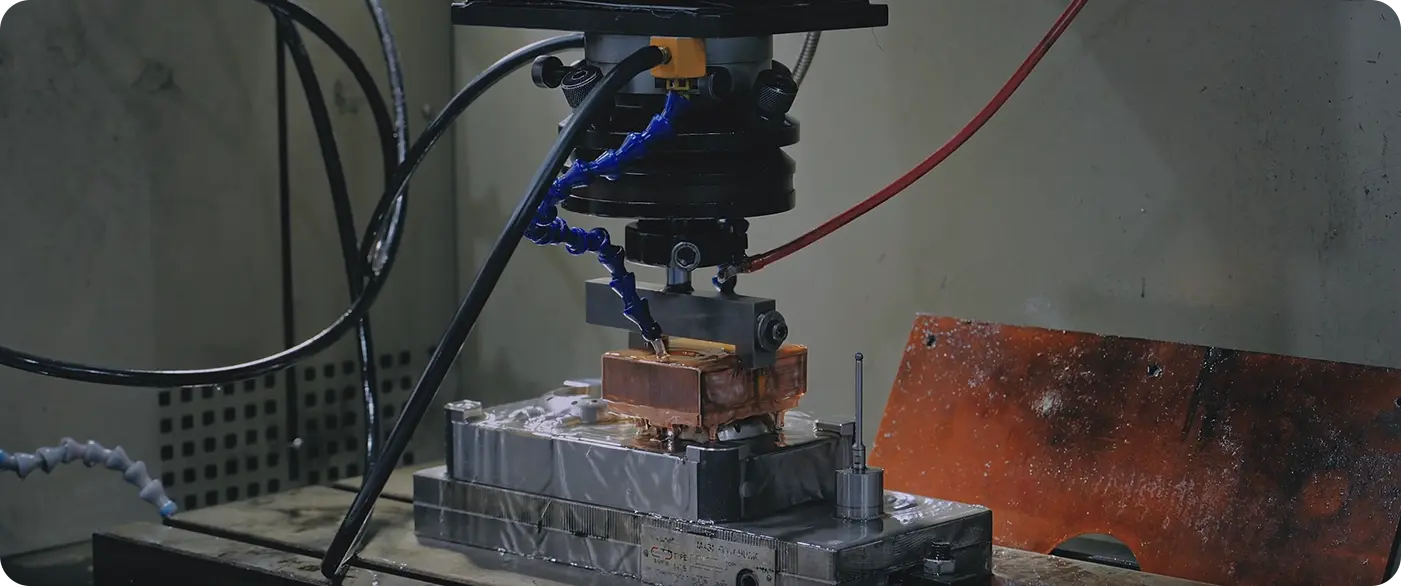
Operating over 180,000 square meters of advanced production space in China, our facility features 200+ precision injection molding machines, 17 high-speed SMT assembly lines with Automated Optical Inspection (AOI), and in-house mold fabrication. To assist global buyers in managing geopolitical risks and duty structures, we also operate a 60,000 square meter factory in Vietnam.



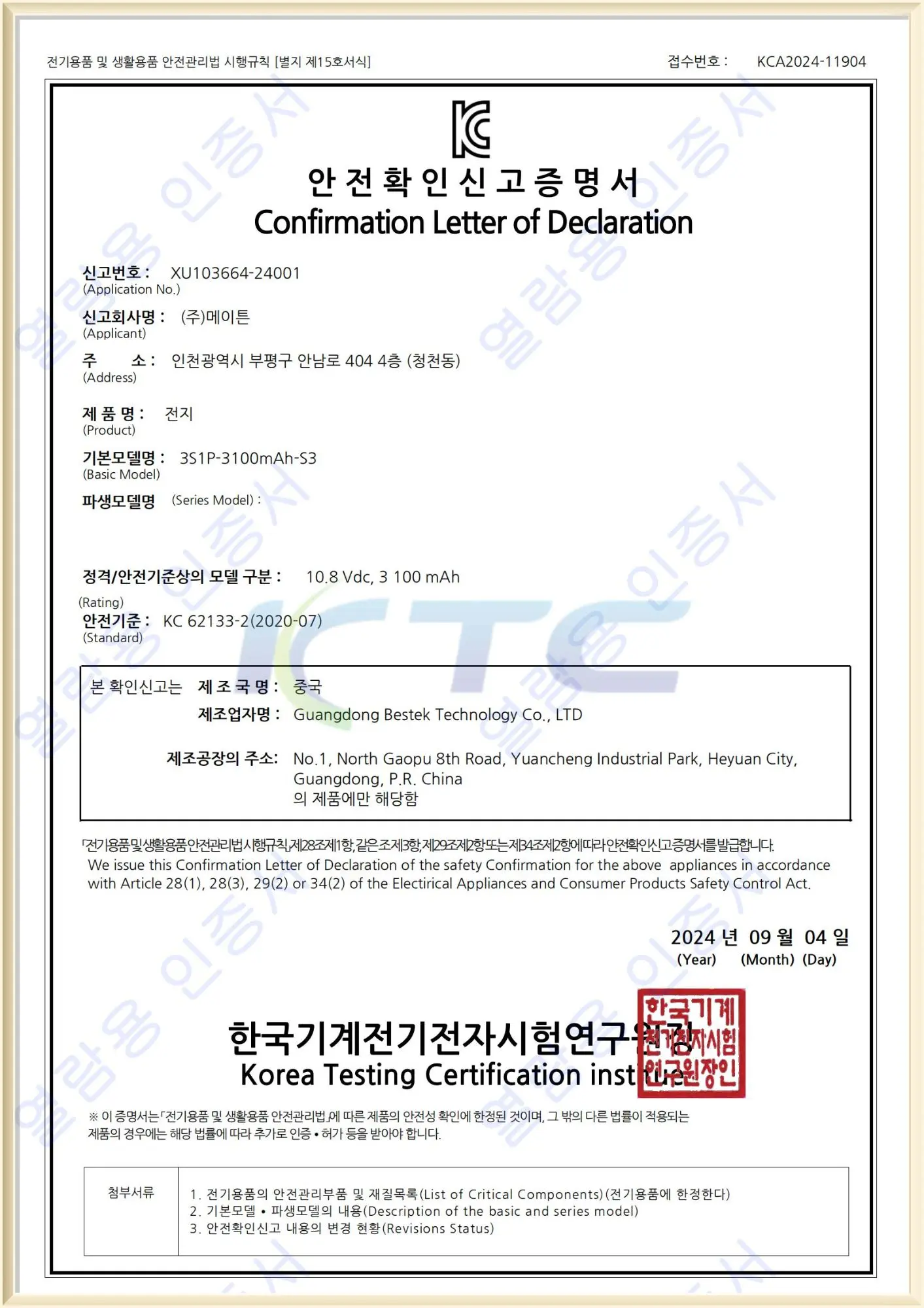
Quality & Environmental Management Systems
Labor Rights, Safety, & Environmental Ethics
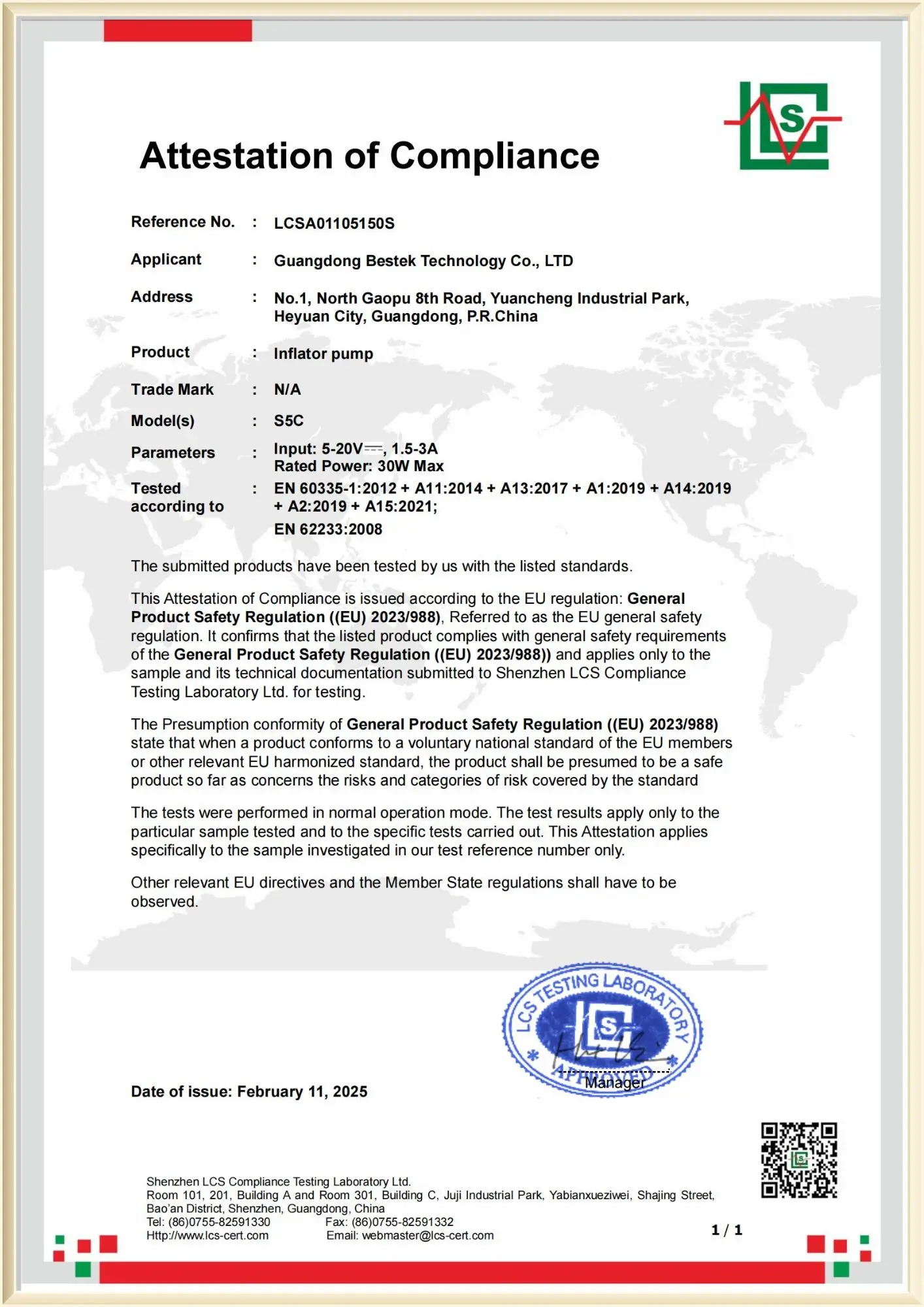
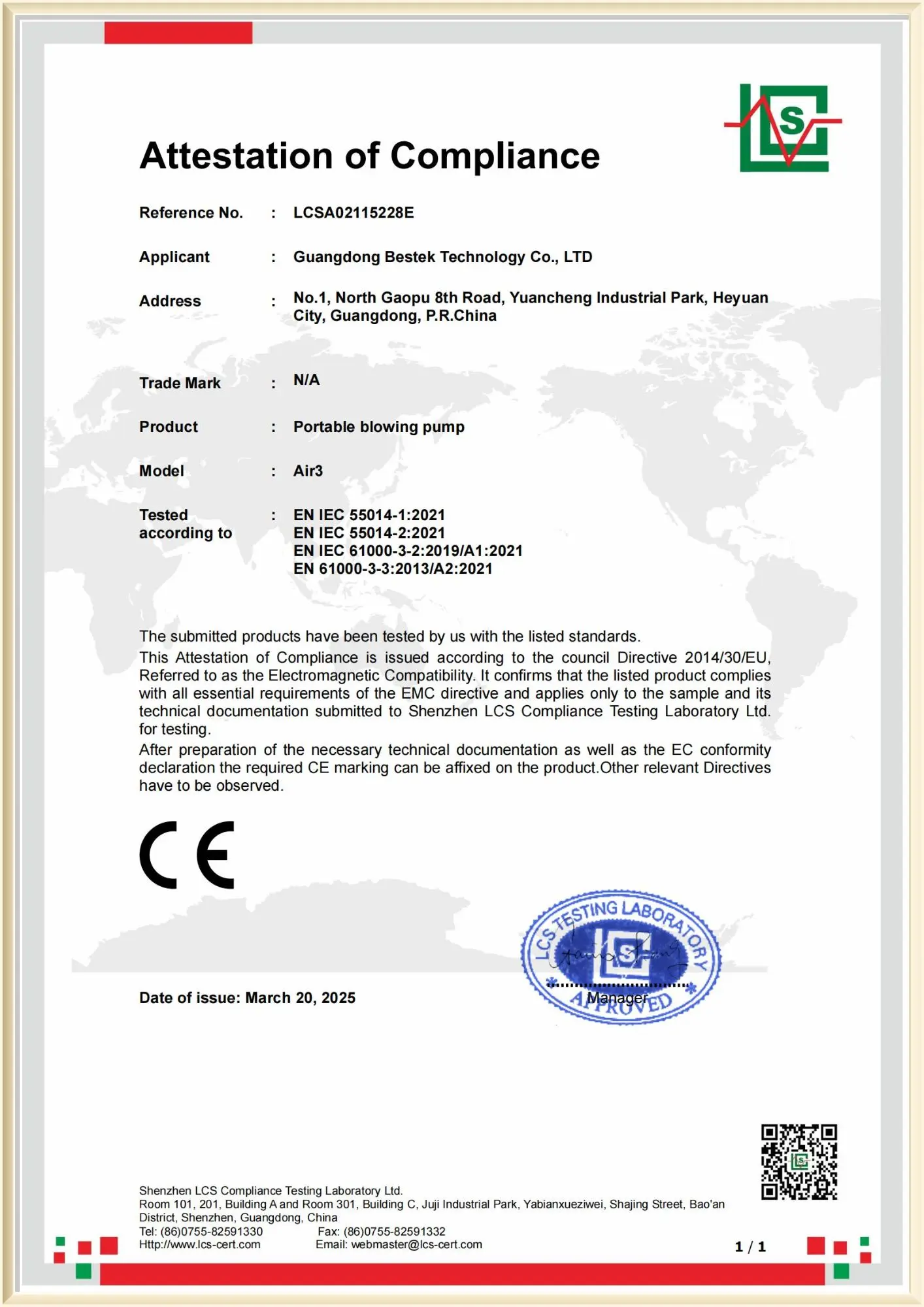
Pre-Certified Platforms for North American & EU Safety
How digital transformation, IoT integration, and sensor developments are changing tire diagnostics.
Modern tractor tire gauges are shifting from basic mechanical dials to connected devices. Our upcoming product roadmap includes Bluetooth Low Energy (BLE) and LoRa-enabled digital gauges. These tools transmit tire pressure readings directly to the operator's smartphone or central farm management platform, allowing for streamlined digital records and fleet tracking.
Central Tire Inflation Systems (CTIS) allow operators to adjust tire pressures on the fly from the tractor cab. Our diagnostic products are engineered to calibrate and audit these automated systems, providing a reliable secondary check on onboard machinery sensors.
Agricultural fluids and additives can easily degrade standard rubber and brass components. We are actively developing chemical-resistant fluoroelastomer seals and synthetic diamond-like carbon (DLC) internal sensor coatings to extend the operating life of our gauges in corrosive environments.
Technical answers to key industry questions regarding agricultural tire pressure and diagnostic management.
Discover our comprehensive range of high-precision components, adapters, and pumps designed for industrial service.
 MOZEN
MOZEN