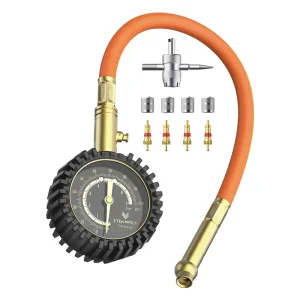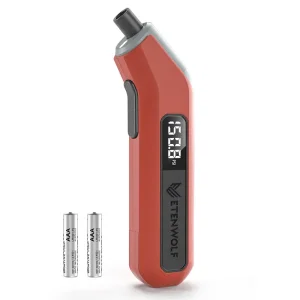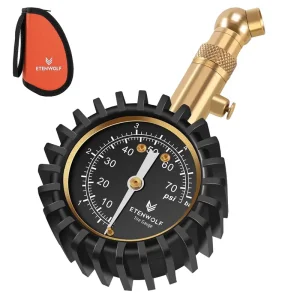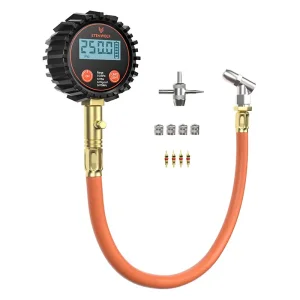
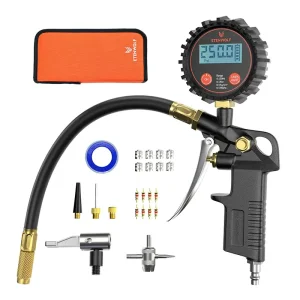
Within modern automotive, logistics, and heavy transport ecosystems, tire maintenance has shifted from a manual, analog task to a core component of digital operations. Precise inflation directly dictates fuel economy, carbon emissions, tire longevity, and fleet safety. Handheld and integrated digital tire pressure gauges represent the frontline in this calibration effort.
As micro-electro-mechanical systems (MEMS) sensors advance, next-generation digital gauges deliver precision measurement (down to ±0.1 PSI accuracy) that analog bellows and spring gauges cannot match. Global distributors, automotive OEMs, and logistics buyers require high-reliability suppliers capable of manufacturing sensors with low calibration drift, durable housings, and smart connectivity options. MOZEN Technology stands at the forefront of this industrial transformation.

Strategic benefits of sourcing automotive calibration electronics from our automated manufacturing plants.
Our Shenzhen industrial park covers everything from PCB hardware and software design to precision mold making and injection molding. Controlling the entire pipeline minimizes lead times, improves tolerance controls, and guarantees reliable product quality.
To assist global buyers with tariff management, we operate dual facilities: a 180,000 m² industrial park in China and a specialized 60,000 m² manufacturing plant in Vietnam. This footprint offers import flexibility and supply security.
Equipped with 17 high-speed SMT assembly lines and automated optical inspection (AOI), we build the sensor control boards in-house. This automation maintains precision calibration over millions of production units.
Integrating Red Dot design innovation and heavy manufacturing assets to serve global buyers.

Our in-house industrial designers focus on ergonomics, durable materials, and intuitive user interfaces. Recognizing that usability affects safety in tough field conditions, our designs balance aesthetics with field reliability, earning international acclaim.
How technical developments are changing B2B product requirements.
Modern fleet managers require tire gauges that can do more than display numbers on a screen. High-end digital gauges now feature Bluetooth Low Energy (BLE) and Wi-Fi modules. This allows drivers or technicians to sync tire pressure logs directly to fleet management apps. Digital data capture speeds up pre-trip inspections, reduces human error, and ensures compliance with transit safety laws.
Electric vehicles run on heavy lithium battery packs and deliver high instant torque, which accelerates tire wear. For EVs, keeping tires at the exact target PSI is critical to maximize range and prevent uneven tread wear. Manufacturers now specify high-accuracy digital gauges that measure pressure changes to within 0.1 PSI to support these tight operating windows.
Advanced digital gauges feature automatic temperature compensation. Ambient air temperatures alter tire pressure readouts. Our onboard microprocessors calculate real-time temperature offsets to show the normalized cold PSI, ensuring consistent measurements regardless of season or location.
Industrial users expect long service life in harsh environments. Gauges must withstand rain, mud, oil spills, and repeated drops on concrete. Using impact-resistant plastics, brass chucks, and IP67-rated enclosures, modern manufacturers design gauges for durability on the shop floor.
Digital pressure calibration serves multiple transportation and industrial sectors:
For heavy transport and delivery fleets, digital gauges track pressure trends to prevent highway blowouts, improve fuel economy, and lower fleet operating costs.
For consumer vehicles, digital tire pressure gauges offer a simple, accurate tool that fits in the glovebox, providing clear readouts during seasonal weather transitions.
Off-road drivers adjust tire pressures when shifting from sand to highway pavement. Our high-resolution digital gauges make these adjustments quick and reliable.

Translating client concepts into production-ready automotive safety products.
Our 300+ engineering team develops products from initial concept to completed design:
Leverage our production capacity to build your existing designs:
Our plants operate under strict international quality, environmental, and ethical standards.
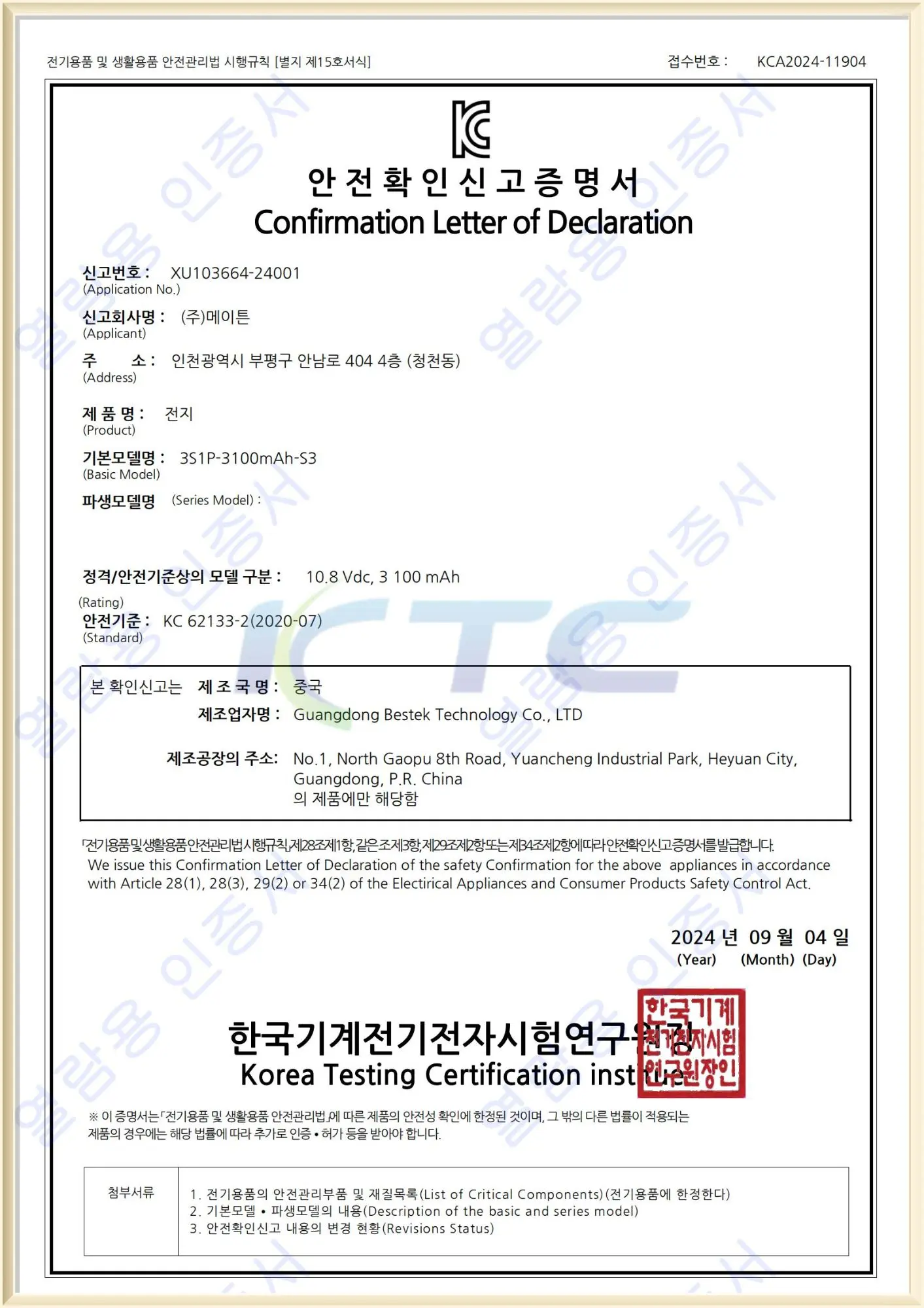
Quality management systems ensuring traceble raw materials, calibration steps, and final inspections.
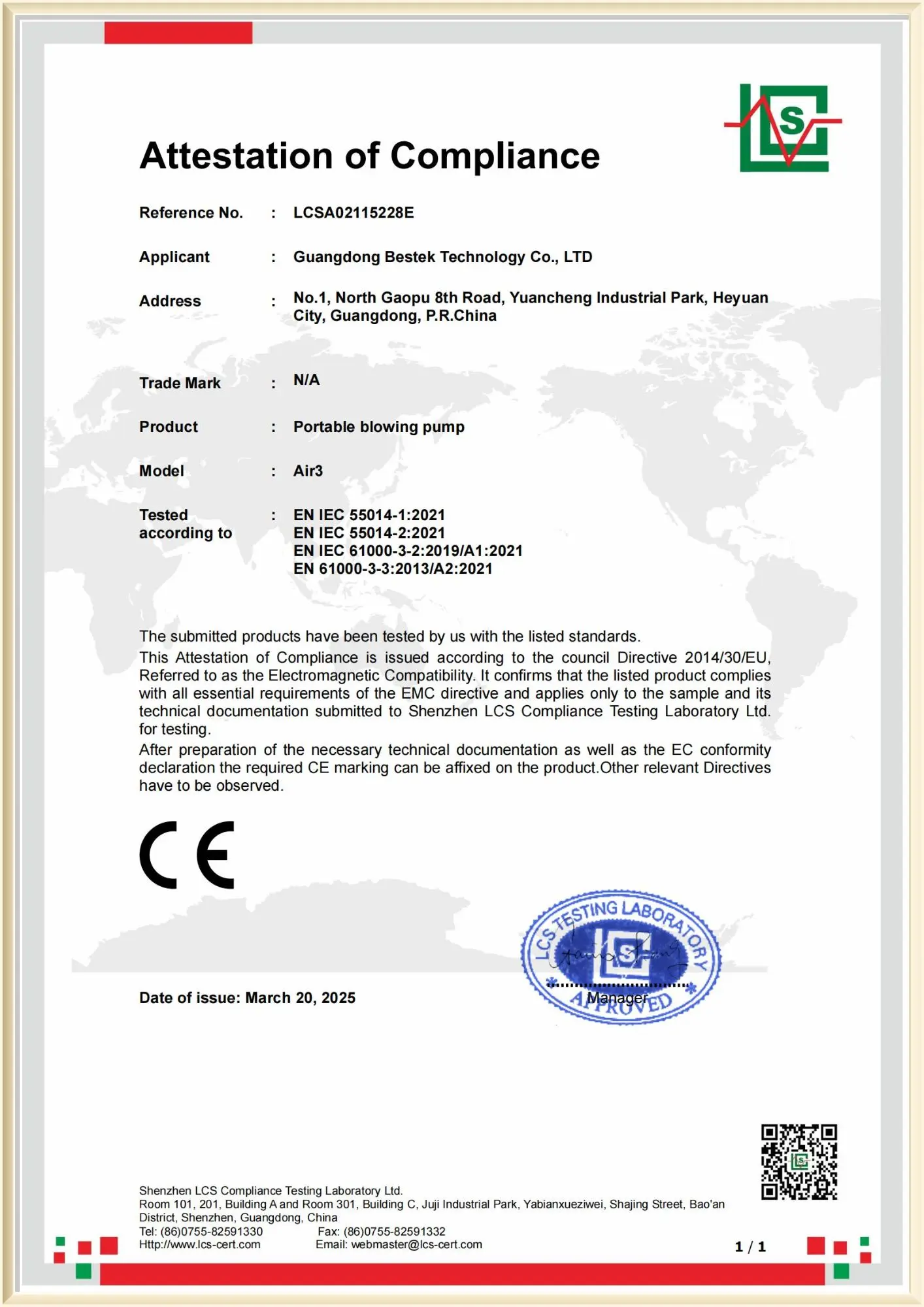
Environmental management systems that reduce production waste, energy usage, and chemical footprints.
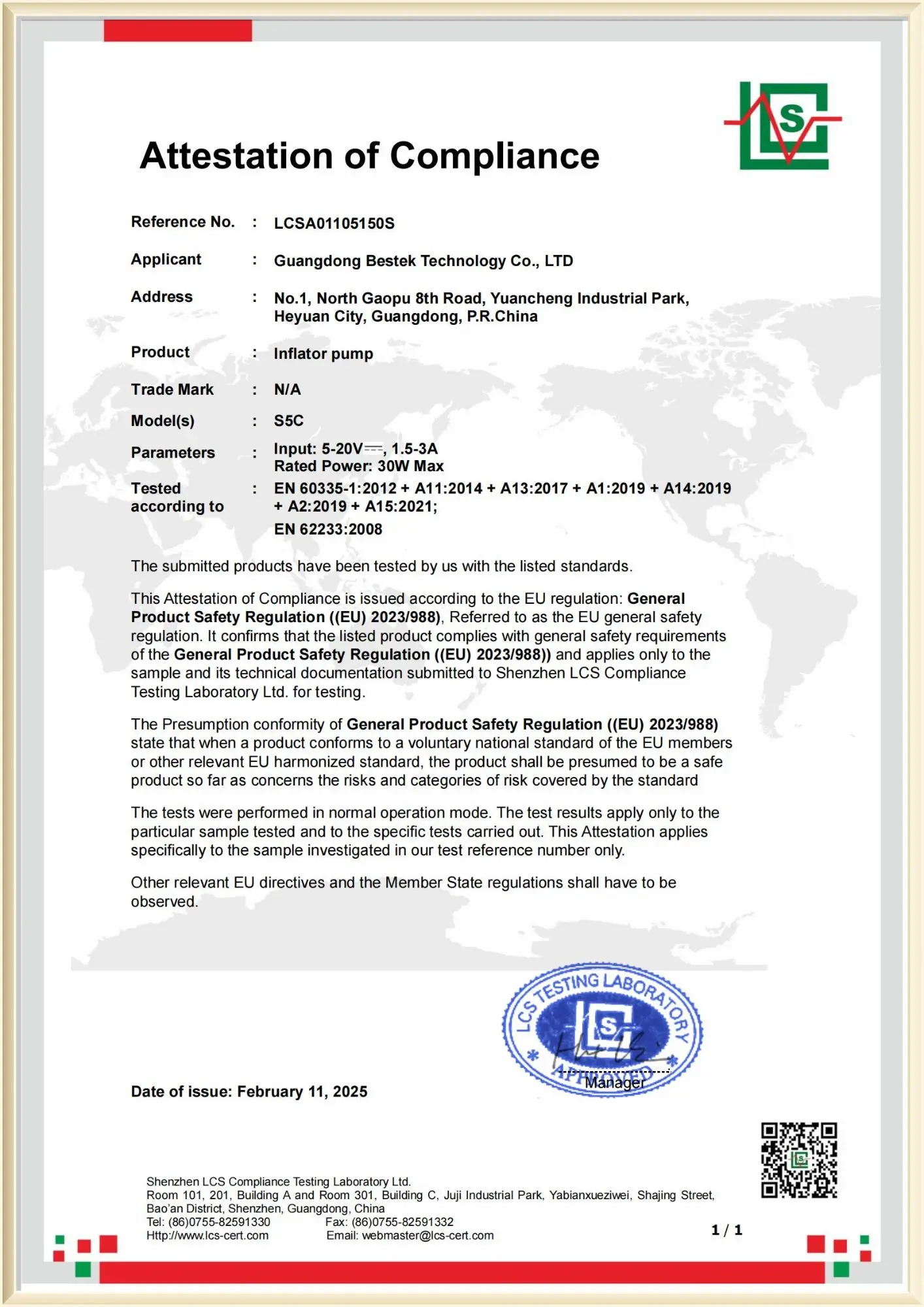
Sedex Members Ethical Trade Audit confirming safe working conditions, fair pay, and environmental practices.
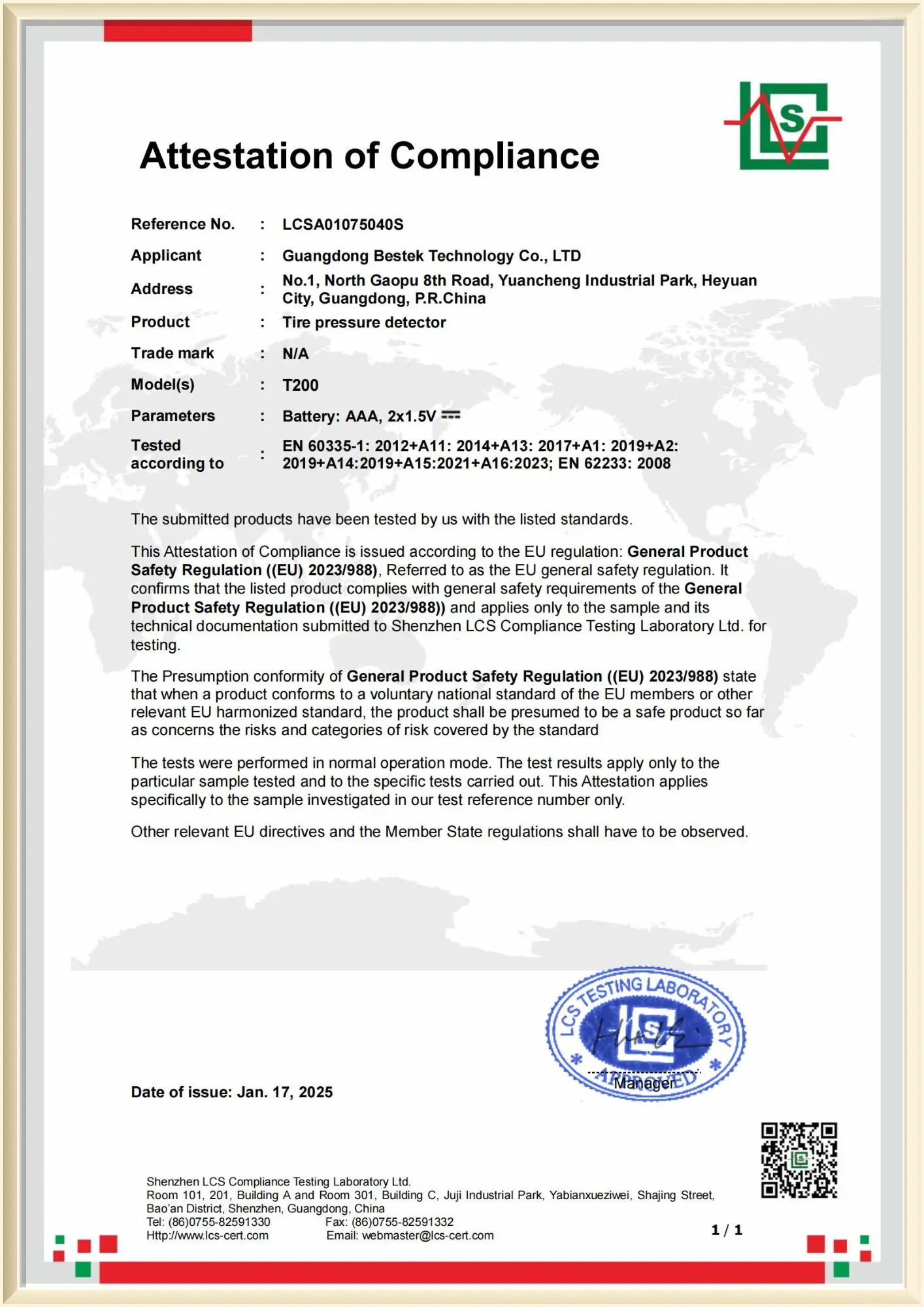
Electrical and battery safety certifications meeting North American markets' technical regulations.
Key technical specifications and quality factors to review when evaluating a factory partner.
The core of any digital tire pressure gauge is its pressure sensor. Low-cost gauges often use low-resolution piezo-resistive sensors that drift out of calibration over time. Premium suppliers use MEMS silicon piezoresistive sensors coupled with a 24-bit high-resolution ADC (Analog-to-Digital Converter). This combination ensures measurements stay accurate to within ±1% across the full operational scale (0 to 150+ PSI).
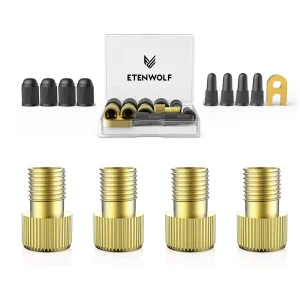
A reliable seal is critical for accurate pressure readings. Handheld gauges need sturdy, leak-free brass or zinc alloy chucks. For high-volume fleet applications, dual-head chucks let technicians reach both inner and outer dual wheels on commercial trucks. Standard designs should support both Schrader valves and Presta valve adaptors for bicycles and specialized equipment.
Product life cycle depends on battery design. Digital gauges need auto-off functions to preserve battery power. For consumer models, CR2032 lithium cells or AAA batteries are standard, while heavy-duty industrial models use rechargeable lithium-ion packs. Good power circuits keep standby currents low, maintaining a shelf life of several years.
Technical answers to common questions from B2B buyers and automotive supply chain managers.
 MOZEN
MOZEN