A flat tire rarely waits for a convenient moment. A compact Rechargeable Tire Inflator can help restore pressure at home or beside the road, but choosing one takes more than comparing prices. Battery size, inflation speed, pressure accuracy, hose length, and heat limits all affect how useful it will be.
The U.S. Department of Energy reports that properly inflated tires can improve fuel economy by an average of 0.6%, with gains of up to 3%. That figure is not a promise for every vehicle or trip. It does show why checking pressure matters. NHTSA recommends checking tires when they are cold, before driving or after the vehicle has been parked for at least three hours. A readable digital gauge and a reliable auto-stop setting can make that check less guesswork.
Look closely at the details. Can the inflator handle your tire size? Does its battery support more than one tire? Will the cable reach comfortably, and can the unit rest safely while it runs? Small differences matter. A bright screen helps in a dim driveway; a short hose can make awkward valve positions frustrating.
No independently verifiable quotation from a named rechargeable-inflator specialist was provided, so attributing a quote here would risk misleading readers. This guide instead focuses on verifiable safety guidance and practical buying criteria. Some trade-offs are easy to miss. A powerful unit may be heavier, and a low price may mean slower inflation. The best choice is the one that fits your vehicle, routine, and expectations—not just the biggest number on its packaging.
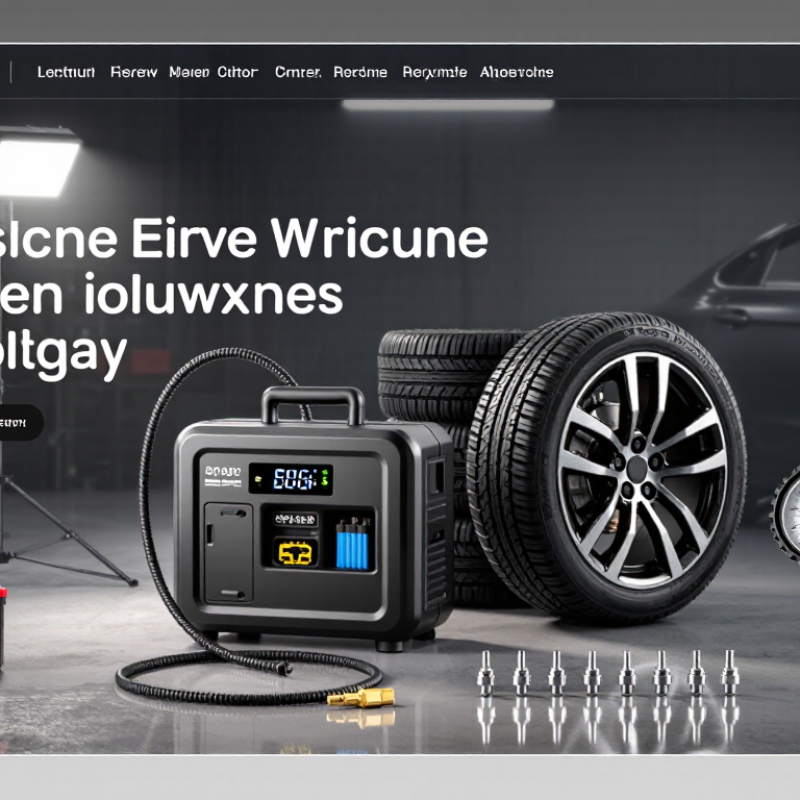
What a Rechargeable Tire Inflator Is and How It Works
A rechargeable tire inflator is a portable air compressor powered by an internal battery. Attach its hose to the tire valve, set a target pressure, and start the motor. Inside, a small motor drives a piston or diaphragm, pushing air through the hose. A pressure sensor tracks inflation, while a gauge displays the reading. Many units stop automatically at the preset pressure. Simple in principle.
The U.S. Department of Energy’s fueleconomy.gov reports that properly inflated tires can improve fuel economy by up to 3%. Accurate pressure checks matter. Check tires when cold, and follow the vehicle’s pressure placard rather than the number on the tire sidewall. A rechargeable unit is handy in a dim driveway, but battery capacity and airflow affect how quickly it works. Repeated use can heat the compressor, so follow its duty-cycle instructions and allow cooling breaks. The display may not be perfectly accurate; compare it occasionally with a separate, reliable gauge. An inflator adds air, but it cannot repair a puncture or leaking valve.
How to Choose the Best Rechargeable Tire Inflator?
What a Rechargeable Tire Inflator Is and How It Works
A rechargeable tire inflator uses a built-in battery to power a small electric compressor. The compressor draws in air, compresses it, and pushes it through a hose into the tire. When choosing one, check its pressure range, automatic shut-off function, battery capacity, hose length, and compatibility with your vehicle.
How to read the chart: The values show representative tire-pressure targets for common vehicle types. Actual pressure requirements vary by tire and vehicle, so always follow the pressure listed on the vehicle placard or in the owner’s manual. A suitable rechargeable inflator should support the highest pressure you regularly need.
Which Inflation Specifications Match Your Vehicle and Tires
When choosing a rechargeable tire inflator, start with the pressure your vehicle requires, not the highest number printed on a product. Check the driver-door placard or owner’s manual for the recommended PSI. A small sedan, a loaded SUV, and a trailer can have very different needs. The tire sidewall lists a maximum pressure, which is not usually the everyday target. That distinction is easy to miss.
Check the inflator’s maximum pressure and airflow rate together. PSI tells you how much pressure it can reach; airflow, often listed in liters per minute, affects how quickly it works. A compact unit may handle a slow leak or routine top-ups but take longer on a large tire. Look for an automatic shutoff and a readable gauge, then compare the gauge reading with a separate tire-pressure gauge occasionally. Accuracy matters. A claimed high PSI alone tells you little about speed or control.
Battery capacity also affects whether the tool suits your routine. Check how many tires it can inflate per charge, and whether the manufacturer specifies tire size and starting pressure for that estimate. A warm garage test may not reflect a cold roadside stop. I would leave some margin rather than choosing a unit that barely meets the stated need. That judgment is imperfect, but real tires and batteries do not always behave like neat catalog examples.
How to Compare Battery Capacity, Airflow, and Inflation Speed
How to Choose the Best Rechargeable Tire Inflator?
How to Compare Battery Capacity, Airflow, and Inflation Speed
A rechargeable inflator’s battery rating tells only part of the story. Check watt-hours when available: a 12-volt, 2-amp-hour battery stores about 24 watt-hours before losses. That figure helps compare models, but it does not predict an exact number of tires per charge. Starting pressure, tire size, temperature, and the inflator’s efficiency all matter. A compact car tire and a large SUV tire are different jobs. Check the manual’s stated duty cycle, too; some pumps need a cooling break after several minutes.
Airflow, usually listed in liters per minute, can indicate how quickly a pump moves air, but test conditions vary. Inflation-time claims are useful only when they name the tire size and starting pressure. Otherwise, treat them as a rough guide. For a real comparison, time each unit on the same cool tire, using the same pressure gauge and starting pressure. NHTSA advises checking tire pressure monthly when tires are cold, which also makes repeat tests more consistent. Keep in mind that built-in gauges can differ from a separate gauge. A little skepticism helps. Choose enough battery capacity and airflow for your usual tires, rather than the biggest numbers on the box.
What Safety, Display, and Portability Features Matter Most
When choosing a rechargeable tire inflator, safety features deserve more attention than a flashy maximum-pressure number. A preset function and automatic shutoff can help prevent overinflation when you enter the pressure listed in your vehicle manual. Check for overheat protection and a secure hose connection; not every model includes these safeguards. Stay nearby while it runs. Small compressors can get hot.
A readable display makes roadside checks less stressful. Look for large digits, clear pressure units, and a backlight that works in a dim parking area. Some screens are difficult to read in direct sunlight, so bright, high-contrast numbers are useful. A display can still be inaccurate. Compare its reading with a dependable tire gauge now and then, especially if the pressure seems unusual.
Portability depends on more than a compact body. Check the weight, handle, hose length, and whether the cord or hose can reach each tire without repositioning the inflator. A battery indicator helps you avoid discovering a low charge beside a flat tire. Cold weather can reduce battery performance, too. I would not assume a small unit will inflate several very low tires on one charge; that claim deserves a careful look at the stated capacity and real-world reviews.
How to Test, Maintain, and Select the Right Inflator for Your Needs
A rechargeable tire inflator should fit the tires you actually use, not just look powerful on a shelf. Check the pressure range and airflow, then compare them with your car, bicycle, or trailer requirements. A clear digital display helps, but test it against a trusted pressure gauge. Readings can differ slightly. That matters.
To test an inflator, start with a cool tire and note its pressure. Set the target pressure, connect the hose firmly, and time the inflation. Repeat on another tire after the unit cools. Listen for leaks around the valve, and check whether the housing or hose becomes unusually hot. Try the screen in daylight, too; some displays are hard to read outdoors. One test is not enough to judge battery life, so record how many tires it handles before recharging.
Maintenance is simple, but easy to neglect. Keep the hose, nozzle, and air filter free of dust, and store the unit dry. Recharge the battery according to its manual, especially before a long trip. I once assumed a half-charged unit would be fine; it was not. For selection, consider weight, hose reach, charging options, noise, and automatic shutoff. A compact inflator may take longer, while a larger one can be awkward to carry. Choose the trade-off you will use, and check its pressure reading periodically against a reliable gauge.
Conclusion
A Rechargeable Tire Inflator is a portable device that uses a built-in battery to power a pump, making it useful for topping up tires without relying on a nearby power outlet. Choosing one begins with checking the pressure requirements of your vehicle and tires, then comparing the inflator’s maximum pressure, airflow, and battery capacity. These specifications help determine whether it can handle your tires and how quickly it may reach the desired pressure.
Practical features also matter. A clear display, automatic pressure settings, and safeguards against overheating can make inflation easier and more controlled, while a compact design is convenient to store and carry. Before selecting a model, consider how often you will use it and whether its battery capacity suits those needs. Test the device according to its instructions, keep it charged, and inspect its hose and attachments periodically. Matching capability, safety, and portability to your routine can help you choose an inflator that is reliable and easy to use.

 MOZEN