Choosing the right Professional Tire Pressure Gauge is crucial for vehicle maintenance. Accurate tire pressure improves fuel efficiency and extends tire life. Studies indicate that under-inflated tires can reduce fuel economy by up to 3%. Regular use of a reliable gauge ensures optimal tire performance.
The market offers various types of gauges, from digital to analog. Each type has its pros and cons. Digital models often provide quick readings and are easy to read. However, they rely on batteries, which may fail. Analog gauges, while less prone to failures, can be less precise.
Understanding your specific needs is vital. A Professional Tire Pressure Gauge should fit your vehicle's requirements and usage style. Accuracy is key; even small discrepancies can lead to issues. Investing in a quality gauge offers more than convenience; it provides peace of mind. While many options exist, finding the perfect balance between functionality and reliability can be challenging.
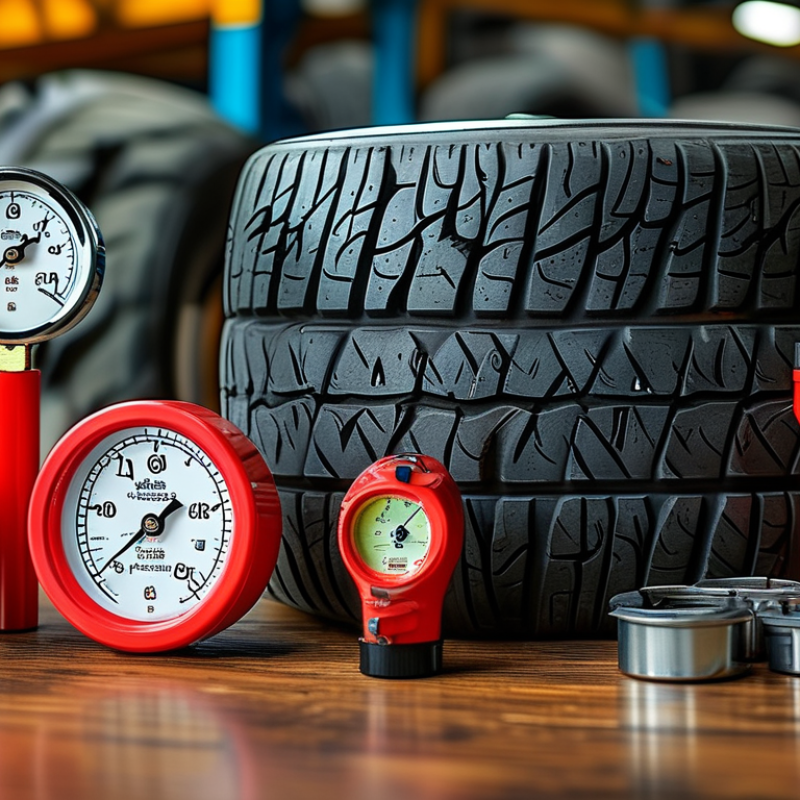
Understanding the Importance of Tire Pressure Gauges
Tire pressure gauges play a crucial role in maintaining vehicle safety and performance. Proper tire pressure affects fuel efficiency and tire wear. Under-inflated tires lead to increased rolling resistance. This can cause higher fuel consumption and premature tire degradation. Monitoring tire pressure regularly can save money and enhance safety on the road.
Understanding the importance of accurate readings is vital. A reliable gauge provides precise measurements. Inaccurate readings can give drivers a false sense of security. Many people overlook tire pressure until issues arise. Regular checks help avoid accidents caused by blowouts or loss of control.
Drivers may find difficulty choosing the right gauge. There are various types available, each with advantages. Digital gauges provide quick readings, while analog ones might offer more durability. The choice can affect the overall maintenance routine. Reflecting on this can lead to better vehicle management and improved safety habits.
Types of Tire Pressure Gauges: Analog vs. Digital
When choosing a tire pressure gauge, understanding the differences between analog and digital gauges is crucial. Both types serve the same purpose, yet each has its own unique characteristics. Analog gauges often display readings on a dial face. They are simple to use and require no batteries. However, they can be harder to read, especially in low light. Some users struggle with the accuracy of certain models, leading to potential safety issues.
Digital gauges, on the other hand, offer precise readings displayed on an LCD screen. They are often easier to read quickly and may feature additional functionalities, like built-in lights or auto shut-off features. The downside, however, is their dependency on batteries, which may fail unexpectedly. Digital gauges can also be more expensive. Users occasionally find them complicated, especially if they involve numerous settings.
Both types of gauges have merits and drawbacks. Personal preference plays a significant role in the decision-making process. It’s important to consider factors like visibility, ease of use, and accuracy. Each individual might face challenges in finding what works best for them. Ultimately, a little reflection on specific needs can guide you toward the right choice.
Comparison of Tire Pressure Gauges: Analog vs. Digital
Key Features to Consider When Choosing a Tire Pressure Gauge
When choosing a professional tire pressure gauge, several key features warrant attention. Accuracy is paramount. Reports from the Tire Industry Association indicate that inaccurate gauges can lead to tire under-inflation, risking safety. A good gauge should provide readings within ±1 psi. This level of precision ensures effective tire maintenance.
Another feature to consider is the gauge type. Digital gauges offer easy readability and often have backlit screens, making them user-friendly. Conversely, analog gauges are more durable and do not require batteries. Each type has its merits, depending on user preference and specific needs.
Durability and build quality are crucial. Professionals often recommend gauges made from high-quality materials to withstand frequent use. A certain weight can suggest robustness, but it should not compromise portability. For some, sturdiness is crucial, but it can be less critical for casual users. Reflecting on personal needs can guide the choice between lightweight and heavy-duty options. Ultimately, understanding these features leads to a more informed selection for tire care.
How to Properly Use a Tire Pressure Gauge for Accurate Readings
Using a tire pressure gauge correctly is crucial for maintaining vehicle safety and performance. Start with the vehicle parked on a flat surface. This ensures accurate readings. Remove the valve cap from the tire you want to check. Place the gauge firmly on the valve stem. Press down quickly to avoid air loss. A hissing sound means you need to press harder but be cautious.
After obtaining the reading, check it against the recommended pressure. This information is usually found on a sticker inside the driver’s side door. If the reading is too high or too low, adjust the pressure accordingly. Remember, tire pressure fluctuates with temperature changes. It is wise to check it regularly, especially during seasonal transitions.
Sometimes, users may forget to check all tires, including the spare. Each tire has unique requirements. Neglecting this can lead to uneven wear or even blowouts. Also, be careful not to overinflate. This increases the risk of tire damage. Keeping a tire pressure gauge in your car can remind you to check often. Regular attention to tire pressure can enhance your driving experience and extend the lifespan of your tires.
Maintenance Tips to Ensure Long-lasting Performance of Tire Gauges
Proper maintenance of tire pressure gauges is essential for their longevity and accuracy. A recent industry report indicates that over 60% of vehicle owners do not regularly check their tire pressure. As a result, many tire gauges lose calibration and reliability. To ensure your gauge functions optimally, store it in a cool, dry place. Exposure to extreme temperatures can alter readings, leading to potential tire issues.
Another key maintenance tip involves regular calibration. Experts suggest that gauges should be recalibrated every six months. This practice helps maintain precision, as pressure gauges can drift over time. If a gauge reads even 2 PSI low, it can exacerbate tire wear and reduce fuel efficiency by up to 3%. Furthermore, replacing batteries when they show signs of weakness can prevent faulty readings. Always examine the gauge for dirt or debris, as this can impair accuracy.
Finally, consider periodic visual inspections. A damaged body or display can lead to inaccuracies. While it may seem trivial, ensuring the gauge is free from cracks or moisture can greatly affect performance. Ignoring these details can lead to costly mistakes. Regular attention to these factors can enhance not just the functionality of your tire pressure gauge, but also the safety and efficiency of your vehicle as a whole.
FAQS
: Proper tire pressure enhances vehicle safety and performance. It improves fuel efficiency and reduces tire wear.
Under-inflated tires increase rolling resistance. This leads to higher fuel consumption and premature tire degradation.
Regular checks are necessary. Many overlook it until issues arise, which can lead to accidents or blowouts.
Accuracy is vital. A good gauge should provide readings within ±1 psi for effective maintenance.
Digital gauges offer quick, easy readability. Analog gauges are durable and do not need batteries.
High-quality materials ensure durability. Consider weight and portability based on how often you use it.
Yes, inaccurate gauges can lead to under-inflation. This puts your safety at risk and causes tire issues.
Not necessarily. Heavier gauges may be robust, but lightweight options can be portable and sufficient for casual use.
Reflect on your personal needs and usage frequency. This helps you select between durable or portable options.
Consider checking it against another gauge for accuracy. This can prevent improper tire maintenance and ensure safety.
Conclusion
Choosing the best Professional Tire Pressure Gauge is essential for maintaining optimal tire health and safety. Understanding the importance of tire pressure gauges can greatly impact vehicle performance and fuel efficiency. There are two main types: analog and digital, each with its pros and cons. Key features to consider when selecting a gauge include accuracy, ease of use, and readability.
To ensure accurate readings, it's crucial to know how to properly use a tire pressure gauge, which involves checking tire pressure when tires are cold. Additionally, regular maintenance tips can help prolong the life of your tire gauge, ensuring it remains reliable over time. By considering these factors, you can make an informed decision and select the right Professional Tire Pressure Gauge for your needs.

 MOZEN
MOZEN