Choosing the best Electric Ball Pump sounds simple, until different balls require different pressure, speed, and nozzle designs. A pump that fills a basketball quickly may feel too aggressive for a delicate volleyball. The right choice depends on more than motor power. It also involves accuracy, battery performance, portability, and safe handling.
Pressure matters. A reliable pump should include a clear digital gauge or dependable pressure control. Check the ball manufacturer’s recommended pressure before inflating. Overinflation can affect bounce, shape, and long-term durability. Underinflation may reduce control during training or competition. Needle compatibility matters too, especially when switching between footballs, soccer balls, basketballs, and inflatable toys. Keep spare needles nearby.
I have tested compact pumps in practical situations, including cold outdoor courts and crowded sports bags. Battery life often falls short of the figures shown on packaging. That detail deserves attention. Some models become noticeably warm after repeated use, while others lose power near an empty battery. Noise can also matter in classrooms, gyms, or early-morning practice sessions. Quiet operation is not essential, but it improves the experience.
This guide evaluates Electric Ball Pump options through real-world usability, manufacturer specifications, and basic maintenance needs. It considers inflation speed, pressure accuracy, charging methods, nozzle storage, weight, and warranty support. No pump is perfect. I once valued speed too highly and overlooked the awkward trigger position. That mistake changed my priorities. A balanced review should acknowledge such limitations, helping readers choose a pump that fits their sport, routine, and budget.
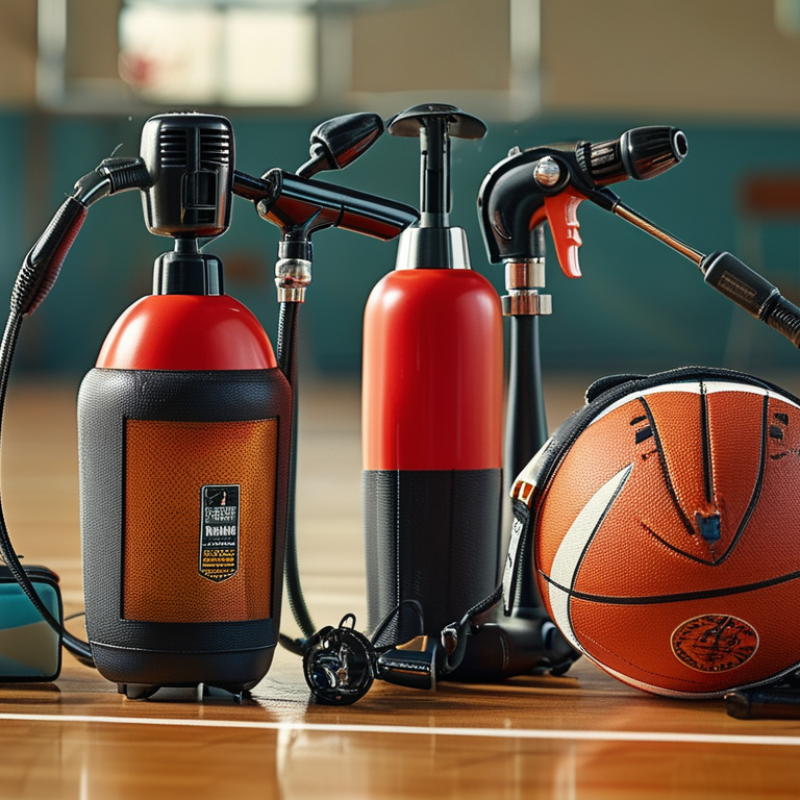
Choosing the best electric ball pump starts with your actual pumping needs. A football used twice a week needs different support from a training ball used every day. Identify the ball types, inflation frequency, and storage location before comparing features. Check the ball’s recommended pressure, usually printed near the valve or in its care instructions. Accurate pressure matters more than impressive motor speed.
Your usage scenario should guide the pump’s size and power. For home practice, a compact model with a clear pressure gauge may be enough. On a sports field, a rechargeable pump is more practical than a wall-powered design. Keep the pump, needle, and charging cable together. Small parts disappear easily. If several people share it, choose simple controls and automatic shutoff to reduce overinflation risks.
I once chose a pump mainly because it inflated quickly. That decision was not entirely sensible. It felt heavy in a sports bag, and the display was difficult to read outdoors. I would now check battery life, charging time, noise, needle storage, and grip comfort first. A pump should match real habits, not imagined ones. Test how it handles a nearly flat ball, but avoid using excessive pressure. Even a reliable gauge can need occasional comparison with a separate pressure tool.
| Usage Scenario | Typical Ball Type | Recommended Pump Features | Useful Performance Target | Why It Matters |
|---|---|---|---|---|
| Occasional home use | Basketballs, soccer balls, volleyballs, playground balls | Compact rechargeable design, digital pressure display, automatic stop, standard needle | Pressure range covering approximately 0.3–1.0 bar (4–15 psi) | Provides sufficient adjustment for common sports balls without requiring a large compressor. |
| Regular team practice | Multiple basketballs, soccer balls, or volleyballs | Fast inflation, replaceable needles, preset memory, clear display, rechargeable battery | Battery capacity suitable for inflating several balls per charge | Reduces waiting time when checking and adjusting many balls before or during practice. |
| Match-day preparation | Competition basketballs, soccer balls, volleyballs, or handballs | Accurate pressure control, automatic shutoff, low-pressure calibration, spare needle storage | Display resolution of about 0.1 psi or better | Small pressure differences can affect handling, bounce, and control, so repeatable adjustment is valuable. |
| Outdoor and travel use | Sports balls used at parks, fields, beaches, or campsites | Lightweight body, USB-C charging, built-in flashlight, protective case, compact accessories | Portable size and charging from common USB power sources | A compact pump is easier to carry and recharge when access to mains electricity is limited. |
| Low-pressure inflatables | Pool floats, inflatable toys, air cushions, and small mattresses | High-volume air mode, multiple valve adapters, separate inflation and deflation functions | Airflow-focused design rather than a narrow high-pressure ball-pump outlet | Ball pumps are designed for small valves and pressure control; large inflatables need more airflow. |
| Bicycle and multi-purpose use | Sports balls plus bicycle or scooter tires | Ball needle, Presta and Schrader compatibility, higher maximum-pressure capability, adapter storage | Maximum pressure appropriate for the specific tire, often higher than a sports ball requires | A dedicated multi-valve pump is more suitable when one device must serve both balls and tires. |
| Heavy-duty institutional use | Large collections of balls in schools, clubs, gyms, or rental facilities | Longer duty cycle, thermal protection, replaceable hose or needle, robust housing, external power option | Consistent operation across repeated inflation cycles | Durability and serviceability are more important than the smallest size or lowest purchase price. |
Identify your ball types, inflation frequency, and storage location. A weekly football needs less support than a daily training ball. Check the recommended pressure near the valve. Pressure accuracy matters more than impressive speed.
A compact pump suits home practice. Choose a rechargeable model for sports fields. Wall-powered pumps work well in gyms. Keep the pump, needle, and cable together. Small parts vanish easily.
Not always. A faster pump may overinflate the ball or become hot after several uses. Compare pumps with the same ball and needle. A basketball may take thirty to ninety seconds.
Rechargeable pumps are convenient for travel and usually charge through USB. Battery-powered models help where outlets are unavailable. Spare batteries add weight. Wall-powered pumps provide steady output indoors. Vehicle power can help during outdoor games.
Choose a clear digital gauge and automatic shutoff. Displays using 0.1 psi increments offer better control. A volleyball commonly needs 4.26–4.61 psi. A game football commonly needs 12.5–13.5 psi. Verify readings occasionally with another pressure gauge.
Look for thermal-overload protection and blocked-nozzle protection. A secure needle connection prevents sudden leaks. Cool-touch housing helps during repeated inflation. Never force excessive pressure into a nearly flat ball.
Check reinforced hose joints, replaceable needles, and battery charging-cycle ratings. Test heat buildup and pressure consistency over several weeks. One week is not enough. I learned that the hard way.
A harsh, rattling motor may suggest poor internal balance. Noise also affects quiet indoor practice. Battery performance can decline in cold storage. An outdoor water-resistance rating does not prove impact resistance. That detail is easy to miss.
Choosing the right Electric Ball Pump starts with understanding your needs and typical usage scenarios. Consider whether you need it for occasional home use, regular training, team activities, or travel. Compare pump types, power sources, portability, and inflation speed to find a model that matches your routine. Battery-powered options may offer convenience, while rechargeable or corded designs can provide consistent performance for frequent inflation.
Before buying, check whether the pump supports the valves and ball sizes you use, and confirm that suitable needles or adapters are included. Pressure control is also important because different sports balls require different inflation levels. Look for clear pressure settings, automatic shutoff, overheating protection, sturdy construction, and easy maintenance. Finally, balance these features with your budget. The best Electric Ball Pump is not necessarily the most expensive option, but the one that provides reliable performance, safe operation, suitable compatibility, and practical long-term value.

 MOZEN