Choosing the right Digital Tyre Pressure Gauge can seem overwhelming. With so many options available, it’s crucial to understand what features matter most for your needs. A Digital Tyre Pressure Gauge should not only provide accurate readings but also ensure durability and ease of use.
Different users have varying requirements. Some may prioritize compact designs for portability, while others might value advanced features like programmable settings. Investing time to research is essential, as a poor choice can lead to inaccurate tyre pressure readings and ultimately affect vehicle performance.
Consider the reliability of the brand. Established manufacturers often provide better customer support and warranties. There are numerous online reviews to gauge user experiences. However, remember that not all reviews are genuine. Finding a balance between expert opinions and personal preferences is vital for making a well-informed decision.
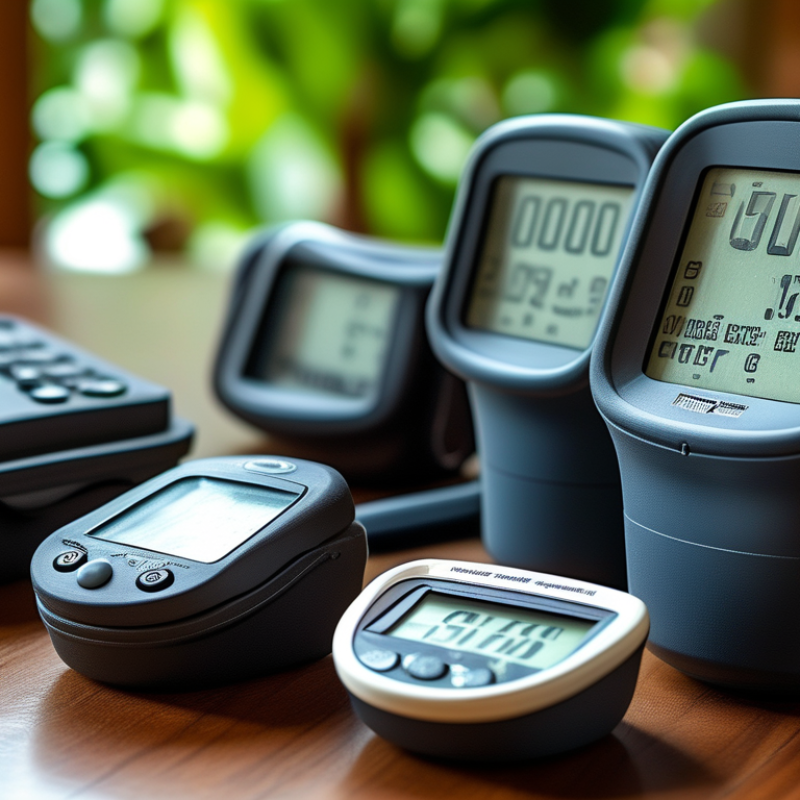
Maintaining accurate tyre pressure is crucial for vehicle safety and efficiency. According to the National Highway Traffic Safety Administration, under-inflated tyres contribute to approximately 10% of road accidents. Maintaining the correct pressure can enhance vehicle handling and improve fuel efficiency by up to 3%. This highlights the importance of reliable measurement tools.
Choosing the right digital tyre pressure gauge can make a significant difference. Look for gauges that offer accurate readings within 1% of actual pressure. A good gauge should be user-friendly and provide clear readings. Consider one with backlit displays for nighttime use. It's also essential to check if the gauge has an automatic shut-off feature to save battery life.
Tips: Regularly check your tyre pressure, ideally monthly. Ensure your tyres are cold when measuring. An accurate reading in this state leads to better safety. Ignoring tyre pressure can lead to uneven wear and higher running costs. Be mindful of the gauge's calibration and replace it if you notice inconsistencies.
When choosing a digital tyre pressure gauge, consider essential features for optimal performance. Accuracy and consistency are key. A gauge that reads within 1 lb/in² ensures you maintain the correct pressure. This can improve fuel efficiency and tyre lifespan.
Look for a clear display. An illuminated screen aids visibility in low light conditions. This feature might seem minor, but it significantly impacts usage. Choose a gauge with an ergonomic design. A comfortable grip prevents slippage during use.
Tips: Always check the battery life of your gauge. A dead battery can render the tool useless when needed most. Consider a model that automatically shuts off to save energy. Portability is another aspect. Lightweight and compact designs are easier to store and transport.
Don't overlook the size of the nozzle. A wider nozzle fits most valve stems easily. However, it may be tricky for small openings. Evaluate your needs. Some gauges offer additional features like temperature readings. While these can be useful, they may not be essential for everyone. Reflections on personal requirements can lead to a better purchase decision.
When it comes to choosing a digital tyre pressure gauge, understanding the different types is essential. Digital gauges generally fall into categories: handheld and dial-type. Handheld gauges are compact and easy to use. They often feature a digital display, providing precise readings. These are great for quick checks and portability.
Dial-type gauges, while slightly bulkier, offer a traditional approach with mechanical dials. Some users appreciate the visual feedback of a dial. Others find the simplicity of digital readings more appealing. Each type has its merits and drawbacks. Handheld gauges may require batteries, which can be a hassle. Dial gauges, on the other hand, don't require power but may be less precise.
Different models may vary significantly in their accuracy and ease of use. Always read reviews and consider user experiences. Some gauges are reported to give inconsistent readings. Look for models with easy-to-read displays and a sturdy design. Being aware of the pros and cons helps to reflect on what features matter most to you. Your choice can greatly impact the safety of your driving.
| Type | Accuracy (± PSI) | Display Type | Measurement Range (PSI) | Battery Type | Price Range (USD) |
|---|---|---|---|---|---|
| Handheld Digital Gauge | ± 1 | LCD | 0-100 | AAA | 10-30 |
| Digital Pen Gauge | ± 0.5 | Digital OLED | 0-60 | CR2032 | 15-25 |
| Digital Tire Pressure Monitoring System (TPMS) | ± 0.2 | LCD with Backlight | 0-80 | Rechargeable | 50-100 |
| Smartphone-Connected Gauge | ± 1 | LED | 0-150 | Li-ion | 30-80 |
| Digital Dial Gauge | ± 2 | Analog with Digital Readout | 0-100 | AAA | 20-40 |
Using a digital tyre pressure gauge requires careful attention to detail. First, ensure that the gauge is calibrated correctly. An inaccurate reading can lead to improper tyre pressure, which affects vehicle performance. According to the Rubber Manufacturers Association, about 50% of drivers do not check their tyre pressure regularly. This can lead to decreased fuel efficiency and increased tyre wear.
When measuring pressure, take the gauge directly to the valve stem after removing the valve cap. Press it snugly against the stem to get a clear reading. For accurate results, do this when tyres are cold, ideally after the car has been parked for a few hours. The National Highway Traffic Safety Administration states that under-inflated tyres can reduce fuel efficiency by 0.4% for every 1 psi drop in pressure.
After obtaining the reading, compare it with the recommended pressure listed on the driver’s side door jamb. If adjustments are needed, add or release air accordingly. Many drivers overlook this step, which can lead to unsafe driving conditions. Regular checks can promote safer driving and extend tyre life, yet many remain inconsistent in their practice. Remember, maintaining proper tyre pressure is essential for safety and efficiency on the road.
Maintaining your digital tyre pressure gauge is crucial for its longevity. Start by keeping it clean. Dust and debris can affect accuracy. Use a soft cloth to wipe the exterior. Avoid using harsh chemicals that might damage the display or casing. Regularly check the calibration. Over time, even digital devices can drift from true readings.
Storing your gauge properly is just as important. Avoid extreme temperatures. Heat or cold can harm internal components. A protective case can prevent physical damage. If you haven't used it for a while, test it before relying on it. And remember, it’s okay if it needs to be recalibrated. Reflect on the importance of these steps; a neglected tool may lead to inaccurate pressure readings, potentially causing issues on the road.
: Accurate tyre pressure ensures vehicle safety and can reduce road accidents. It's crucial for efficiency, enhancing handling and fuel use.
Ideally, check your tyre pressure monthly. Regular checks help maintain safety and prevent uneven wear on your tyres.
Both handheld and dial-type gauges have benefits. Handheld models are portable; dial gauges offer visual feedback.
Choose a gauge with accurate readings within 1%. Look for a user-friendly design, clear display, and automatic shut-off.
Measure tyre pressure when tyres are cold. This gives a more accurate reading and enhances safety while driving.
If readings are inconsistent, consider recalibrating or replacing your gauge. Reliable readings are essential for safety and efficiency.
Yes, a dial gauge can be used. However, it may not be as precise as digital options. Consider your preferences when choosing.
Inaccurate tyre pressure can lead to uneven wear, increased running costs, and potential safety risks while driving.
Handheld gauges often require batteries, which can be inconvenient. Consider this factor if you prefer a more low-maintenance option.
A quality gauge can significantly impact your vehicle's safety and efficiency. Reflect on your specific needs and driving habits.
Choosing the right Digital Tyre Pressure Gauge is crucial for ensuring optimal tyre performance and safety. Accurate tyre pressure measurement is paramount, as improper inflation can lead to decreased fuel efficiency and increased wear. When selecting a gauge, consider key features such as measurement range, accuracy, digital display visibility, and battery life.
It's also important to familiarize yourself with the different types of digital gauges available on the market, each with unique advantages. Proper usage involves checking tyre pressure when the tyres are cold and ensuring a tight fit on the valve stem to get accurate readings. Lastly, maintaining your Digital Tyre Pressure Gauge by keeping it clean and storing it in a safe place will extend its lifespan and reliability.

MOZEN