Maintaining proper tire pressure is crucial for safety on the road. An Accurate Tire Pressure Gauge plays a vital role in this process. Expert John Thompson, a tire safety specialist, emphasizes, "A precise gauge can prevent accidents.”
Tires with the correct pressure enhance vehicle handling and improve fuel efficiency. Under-inflated tires can lead to blowouts, reducing your control over the vehicle. Many drivers overlook the importance of an Accurate Tire Pressure Gauge. They often rely on their senses rather than facts.
Regularly checking tire pressure can save lives. It helps drivers avoid dangerous situations caused by tire failure. However, not all gauges are created equal. Investing in a reliable, accurate gauge can make a significant difference. Awareness and education about this simple tool can lead to safer driving experiences for everyone.
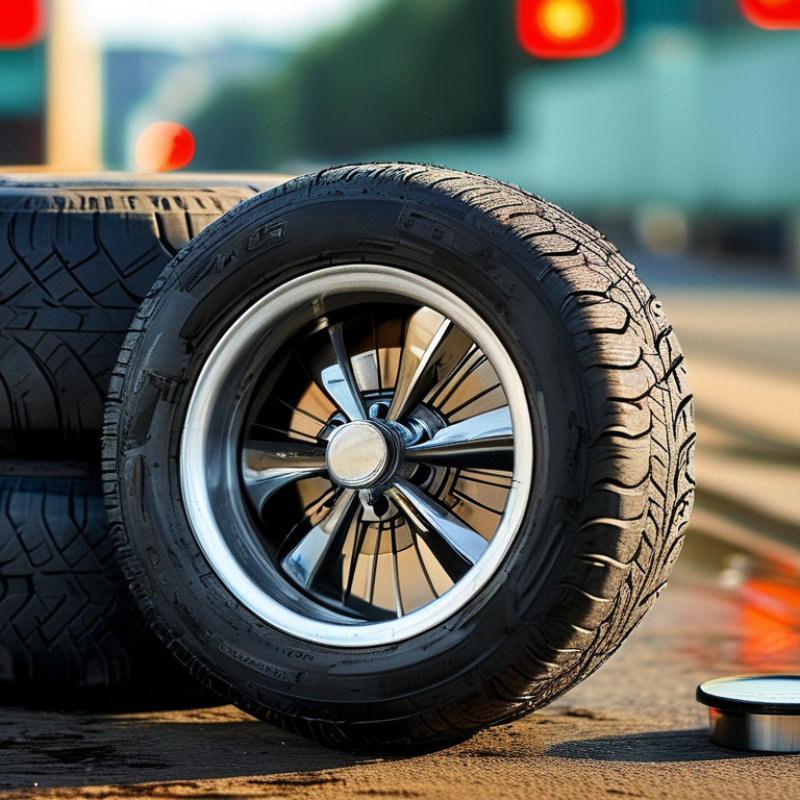
Proper tire pressure is crucial for vehicle safety. Under-inflated tires can lead to poor handling and increased stopping distances. According to the National Highway Traffic Safety Administration (NHTSA), about 11,000 accidents each year are linked to tire-related issues. These statistics highlight the importance of regular tire pressure checks.
A common misconception is that tires look fine, so they must be okay. However, pressure can fluctuate with temperature changes and use. Using an accurate tire pressure gauge allows drivers to maintain optimal levels. Studies show that maintaining correct tire pressure can improve vehicle fuel efficiency by up to 3%. Regular checks can also extend tire life significantly.
Tips for maintaining tire pressure:
- Check tire pressure once a month, and before long trips.
- Always measure when tires are cold for accurate readings.
- Keep a quality tire gauge in your vehicle for convenience.
Being proactive about tire maintenance can prevent poor performance and accidents. Are your tires truly safe? Regular attention to their pressure can make all the difference.
| Tire Pressure (PSI) | Impact on Fuel Efficiency | Tread Wear Rate | Safety Risk |
|---|---|---|---|
| 32 PSI | Optimal fuel efficiency | Normal wear | Low risk |
| 28 PSI | Decreased by 3-5% | Increased wear on edges | Moderate risk |
| 36 PSI | Increased by 1-2% | Center wear | Moderate risk |
| 24 PSI | Decreased by 6-10% | Severe edge wear | High risk of blowout |
| 40 PSI | Slight decrease | Uneven wear | Moderate risk |
Maintaining proper tire inflation is crucial for vehicle safety and performance. According to the National Highway Traffic Safety Administration, improper tire pressure contributes to over 11,000 accidents annually in the U.S. A reliable tire pressure gauge is essential for ensuring that your tires are neither over-inflated nor under-inflated. Both conditions can lead to reduced fuel efficiency and increased tire wear.
Many studies reveal that around 30% of drivers operate vehicles with tires that are below the recommended pressure. Inadequate tire pressure can decrease handling stability. It can also increase stopping distances. Using an accurate tire pressure gauge helps you avoid these dangers. Regular checks can extend tire life by preventing uneven wear.
It’s not enough just to check the pressure infrequently. Many gauges can fail or provide inaccurate readings. Regular calibration of your tire pressure gauge is also advisable. These small investments in maintenance can go a long way in improving overall vehicle safety. Addressing tire pressure may seem trivial, but neglecting it can lead to serious consequences.
Many drivers overlook tire pressure, assuming it’s a minor detail. This misconception can lead to dangerous situations. Proper tire pressure affects handling, fuel efficiency, and overall safety. A tire that is not inflated correctly can lead to blowouts, especially at high speeds. It's crucial to understand that both **over-inflation** and **under-inflation** can cause significant issues.
Regularly checking your tire pressure is key. Invest in a reliable tire pressure gauge. Many people don’t realize that visual checks aren’t enough. Tires can look fine yet be significantly under-inflated. A solid gauge provides accurate readings and helps you maintain optimal tire pressure. This small tool can prevent potential hazards on the road.
Here’s a tip: check your tire pressure when the tires are cold. This gives you the most accurate reading. Aim to check monthly, and consider before long trips. Maintaining proper tire pressure not only ensures safety but can also improve mileage. Keep a checklist in your car to remind you of regular maintenance tasks. Your safety is worth the effort.
Choosing the right tire pressure gauge is crucial for vehicle safety and performance. Tire under-inflation can lead to compromised handling and increased stopping distances. According to the National Highway Traffic Safety Administration, about 600 fatalities each year are linked to tire-related crashes. A reliable gauge helps ensure your tires are properly inflated, which enhances traction and fuel efficiency.
When selecting a tire pressure gauge, consider accuracy and ease of use. Digital gauges offer precise readings and are generally easier to read than analog ones. Look for models that display measurements in both PSI and bar, catering to diverse needs. Portable options provide convenience for travel, while heavier-duty gauges may serve workshop settings better.
Inadequate calibration can lead to misleading readings. Regular checks with a trusted gauge are essential. Industry experts recommend checking tire pressure once a month and before long trips. A gauge that feels comfortable in hand can help encourage routine usage. Ultimately, investing in an accurate tire pressure gauge not only promotes safety but can prolong the lifespan of your tires.
Maintaining the correct tire pressure is crucial for vehicle safety. This chart illustrates the distribution of vehicles across different tire pressure categories. The majority of vehicles (50,000) are in the ideal range of 30-35 PSI, while a concerning number (15,000) are underinflated, which can lead to poor handling and increased tire wear. Overinflated vehicles account for only 10,000, but they can also pose safety risks.
Maintaining accurate tire pressure is crucial for vehicle safety. According to the National Highway Traffic Safety Administration (NHTSA), nearly 11,000 accidents occur annually due to improper tire inflation. To avoid these dangers, regular tire pressure checks are essential. Aim to check your tire pressure at least once a month, as well as before long trips.
Use a reliable tire pressure gauge and keep it in your car for easy access. Ideal tire pressure typically ranges from 30 to 35 psi, depending on your vehicle. This small act can improve fuel efficiency and extend tire life. Studies show that under-inflated tires can decrease fuel economy by 0.2% for every 1 psi drop in pressure. This can add up to significant costs over time.
Be aware that tire pressure can fluctuate with temperature changes. A drop of 10°F can reduce your tire's pressure by 1 psi. Regular monitoring can help identify these changes. Ignoring them might lead to uneven wear and reduced grip, especially in adverse conditions. Always adhere to the manufacturer's specifications for your specific vehicle, as this ensures optimal performance and safety.
: Proper tire pressure is crucial. Under-inflated tires affect handling and increase stopping distances.
Check your tire pressure at least once a month and before long trips.
Ideal tire pressure typically ranges from 30 to 35 psi, depending on your vehicle.
Yes, a drop of 10°F can reduce your tire's pressure by 1 psi.
Ignoring tire pressure may lead to uneven wear, poor grip, and safety risks.
Always measure when tires are cold and use a reliable tire pressure gauge.
Correct tire pressure can improve fuel efficiency by up to 3%.
Yes, many believe tires are okay just by appearance, which is misleading.
Regular monitoring helps identify changes. Adjust the pressure to manufacturer's specifications.
Yes, maintaining correct pressure avoids costs related to poor fuel economy and tire wear.
An accurate tire pressure gauge is essential for ensuring vehicle safety and performance. Proper tire pressure significantly impacts handling, fuel efficiency, and overall safety on the road. The use of an accurate tire pressure gauge helps maintain optimal tire inflation, preventing issues related to under-inflation or over-inflation, which can lead to tire blowouts or reduced traction.
Despite common misconceptions, tire pressure should not be viewed as a minor detail; rather, it is a critical aspect of vehicle maintenance. When selecting a tire pressure gauge, consider factors like accuracy, ease of use, and durability. Regularly monitoring tire pressure through accurate readings ensures that your tires are adequately inflated, promoting safer driving conditions and enhancing tire longevity. Remember, a small investment in an accurate tire pressure gauge can lead to significant improvements in safety and efficiency.

MOZEN